[ad_1]
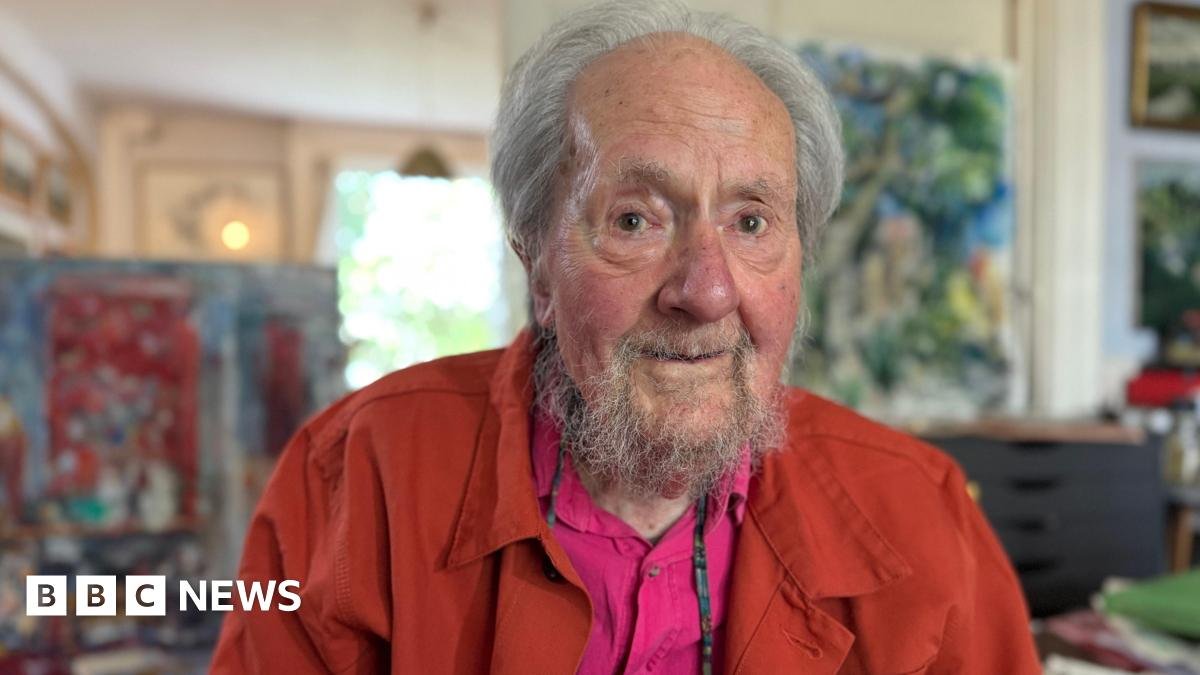
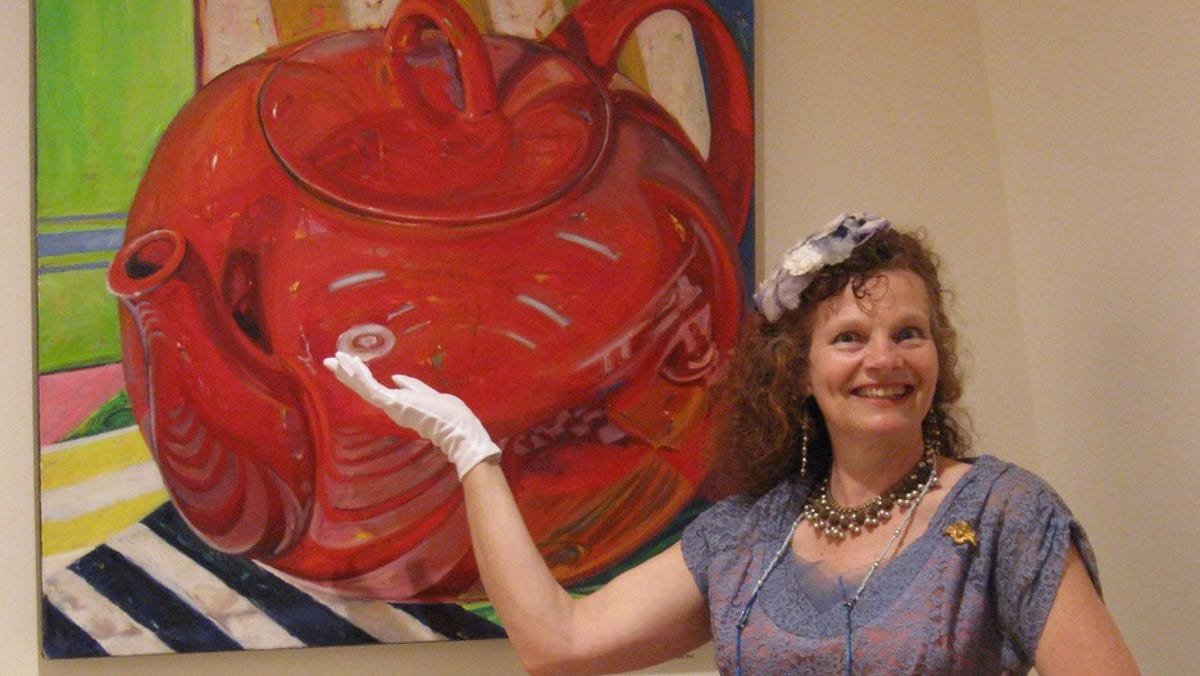
Jill Pottle lives a life dedicated to art: creating and teaching art, and finding moments of creativity in every aspect of life. Her career has taken her to many places to teach art, including at the Worcester Museum of Art. As a painter, her preferred medium is oil painting, although she has a background in other artistic media, including studying and creating prints.
Pottle recently spoke about the challenge of conveying the process of creating art in a time of instant results, and how promoting art online is different from showing it in person. In person, a viewer can see the true texture of a painting, which Pottle said is hard to capture in a virtual image. Pottle also spoke about challenges associated with artificial intelligence, commonly called, AI. For Pottle, creativity is everywhere, but creating a true work of art takes time, discipline and practice.
What is your favorite artistic medium?
Well, things kind of shift and change, but I’d say, probably oil, but my background isn’t. It’s in printmaking and painting.
Tell me a little more about oil painting.
I’ve been painting since I was 11 in oil paint. The most challenging is part is just the process of doing an effective painting, that it might be more than just copying reality. I’m into doing more than merely copying it. I switched out of using any solvents about 20 years ago, so that is no longer a challenge … getting to the work, and getting to the process. Life has been pretty much in the way for a while.
I’ve always painted, and painted every day, but not able to immerse myself as much. You’re older … your body says, “take a break.”
Can you tell me about the courses you teach, or have taught?
All in all, I’d say I’ve been teaching for 38 years, so I’ve covered a lot of ground. That is my main income. I live on my own, so this is my main income … (I’ve taught) basic drawing, continuing drawing. I’ve taught colored pencil. I’ve taught painting in acrylic, water color, way back when … oil classes … collage, assemblage … a lot of private lessons, the Worcester Art Museum, Danforth, Concord Umbrella Center for the Arts. I’ve been all over, including being in Boston. I was in Boston for a long time … it is almost like trying to hit every situation you can possibly get in Massachusetts.
You have taught quite a lot of art. What is the most joyful part of teaching, and what is the most challenging?
Joyful is when you communicate an idea, and get success, whether it’s literally my idea, or if it prompts the student to find an answer. I am just the catalyst to them finding their own, in their own way. I have my own point of view, but I also don’t make people work like me. I allow them to become their own beings.
The most frustrating thing is getting people to practice. Taking three classes is not being a professional artist. My analogy is, “We drew as children. How hard could this really be?” and then you get people in the class who are like, “Oh, my God!” They are surprised that it takes continuing practice, and work. This is an actual practice, not something you do one-up, and you get it all figured out.
How has the digital world affected art?
I’d say it’s pretty emotive, now, with the AIs coming in. It’s a pretty loaded world out there. Initially, you had the slides to give to galleries, then the websites, and that’s a really big deal. Now, hardly anybody finds our artists’ websites anymore. Our website has become our portfolio … but the website is no longer a means to an end. I’d say, Instagram, and any other media my friends are using.
Earlier, I thought, why would anyone buy a painting online? You really can’t tell what you are getting. You buy a painting, and you go, “Oh, that has a lot of surface?” That has a lot of appeal with a painting. I feel like digital art has altered our understanding, of course, everyone is now on the phone, having to repost things constantly, because people’s attention span is shorter.
We’re a little bit stuck in the vortex, because it’s not reality. What is going to happen with this AI thing creeping into everything? OK, people are doing stuff on AI and signing their name on it. It’s just a really weird world … AI is a completely different creature, so it’s already a problem in the school sytem, with writing. Process is not honored anymore, nor is skill, not as much, anymore. Like, for example, in this morning’s class, this woman said, “Oh, it takes so long,” and I said, “What is your hurry? If you are in the process, that’s good. If the process is good, the painting will be good.” I think the society as a whole is not process-oriented, right?
(With painting parties) I get people coming in, and saying, “Look what I did Friday night!” I think that is really bad, but I can’t say that, because I’m mean. (They say) “Oh, you’re so talented.” No, I worked really hard to get to the point that I’m at now. This isn’t like magic. It’s part of the beauty of being an artist, to be able to immerse, and to explore. It’s an adventure.
In a way, it’s sad, I’m always said when a painting is finished. It’s like the whole relationship ends.
It’s a little bit of sorrow, because a relationship has come to an end.
Right, and a lot of artists I know, people in my life who have had huge shows, and after the show, they go into this full depression. It’s like finishing a chapter, and it’s like, now what? It kind of leaves you a bit in limbo. What happened here? Where do I go now? This happens with musicians all the time, too. They get really depressed after that amazing performance.
What is the hardest thing about being an artist, and what is the most joyful part?
I consider this my life. I don’t separate this from eating, drinking, going out, being with friends. This is what I do. Everyone says I’m really productive. I am not sitting here, trying to be productive. (At an art show) you are waiting for the right person to come along, and buy your piece, so you don’t have to pay your bills. You do show, after show, after show, and then you have the show where you sell out. You are always at the mercy of the world taking you in. You’re saying inside, “Just buy this stuff!” So the most joyful part is, I would go back to the process again, and just seeing the world very differently than most people see it.
When I am hiking in the woods, with friends with no relationship to the arts, and I’m going in, they’re like, “What are you saying?” “Look at the green over there! The lines and marks!” “What are you seeing?” “Everything is very brightly colored.”
A lot of patterns out there, that other people don’t see … the joy is in the experience of just being there. You don’t have to go far to see a lot, just step outside, and look at the ground. I have a friend of mine who is 83 and a painter. We talk about how we enjoy being around other artistic people, because creative people are curious about everything, like, what is the texture of the napkin? The most mundane experience becomes one of the most fascinating at times.
[ad_2]
Source link