
[ad_1]
Three sales are currently live for bidding on Artnet Auctions. Post-War and Contemporary Art, live through May 20, brings together exceptional works by blue-chip artists, and Contemporary Editions, live through May 29, highlights a diverse range of prints and multiples by major art world names. Finally, Artnet’s Private Sales offers cross-category works available for immediate purchase, wherein specialists connect collectors with artwork outside of the platform’s regular auction format.
Below, three of Artnet specialists discuss the artists, pieces, and sales that are front of mind right now.
Robert Rauschenberg, Corridor (Hoarfrost) (1978)

Robert Rauschenberg, Corridor (Hoarfrost) (1978). Est. $40,000–$60,000. Courtesy of Artnet Auctions.
Inspired by the ink-stained cheesecloth he observed drying in print workshops, Robert Rauschenberg created the ‘Hoarfrost’ series by transferring images from newspapers and magazines onto unstretched fabric with solvent. Hung with pushpins through sewn ‘buttonholes,’ the works respond to air currents with subtle movement. Their title, drawn from Dante‘s Inferno, refers to frozen vapor or dew, which Rauschenberg described as ‘shimmering information.’
Artist foundations have become increasingly important as the market moves beyond the years of hype-driven speculation. Today, new and returning collectors alike approach the market with greater discipline, often seeking scholarship that inform their decisions. This return to rigor—and its renewed support for historically significant artists who may have fallen out of favor during periods of speculative enthusiasm—is reinforced by artist foundations, the long-term stewards of an artist’s legacy and marketplace.
Several foundations assisted our research for this auction, including the Robert Rauschenberg Foundation, Sam Francis Foundation, and Carl Andre and Melissa L. Kretschmer Foundation. Through catalogue raisonné resources and public registries, these organizations allow collectors and researchers to submit works for review, contribute new information, and, in many cases, trace provenance. In doing so, they guide expertise and facilitate the health of an artist’s market over time. –Jason Rulnick, Senior International Specialist, Contemporary Art
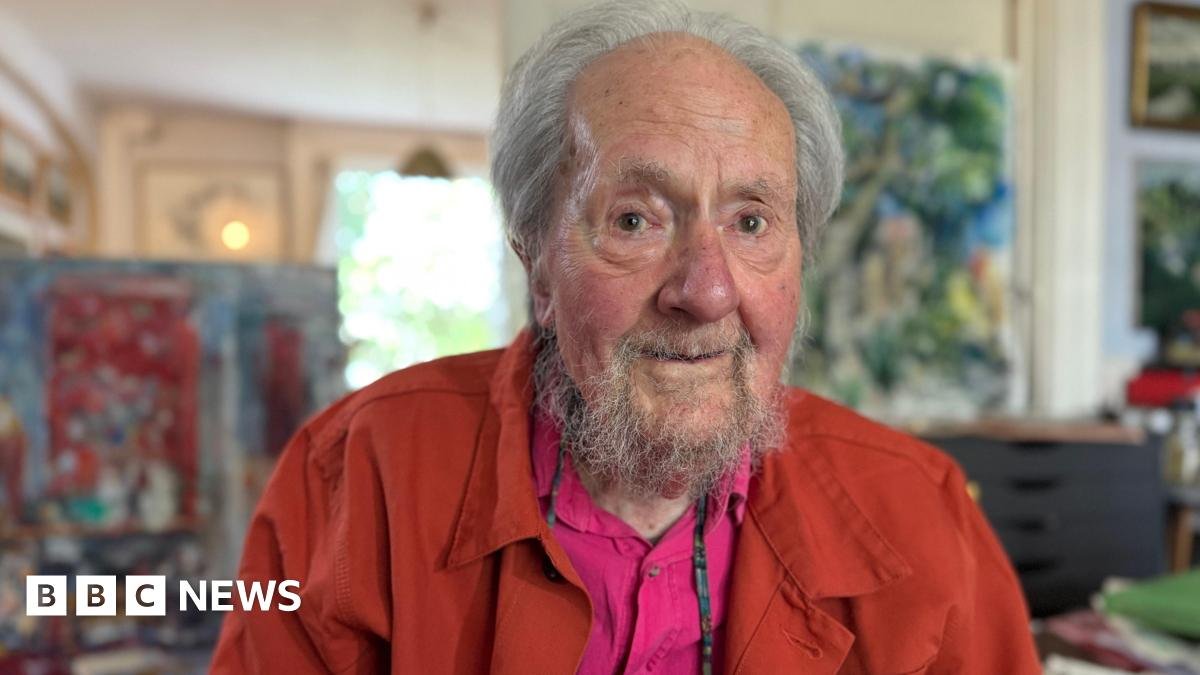
Emily Mason, Express Report (1988)

Emily Mason, Express Report (1988). Est. $25,000–$35,000. Courtesy of Artnet Auctions.
The lot I keep coming back to is a 1988 Emily Mason on paper, in our current sale. It’s a mature-period work—the moment she’d settled into what she called ‘letting the painting talk,’ translucent veils of oil building toward a luminous internal depth. In her studio notebook, she logged this one simply: ‘overall red.’
Partly, I’m fixated on the work. Mostly I’m fixated on what 1988 is doing in the market. Artnet set the global auction record for Mason last year with The Green In Go (1983) at $200,000. Like Frost Upon a Glass (1985) sold for $100,800—more than five times its high estimate. Three Musicians (1988) hammered at $93,750. The 1980s body of work is no longer a sleeper.
What’s actually happening is a correction. For decades, Mason sat at a steep discount to Helen Frankenthaler and the broader Color Field cohort, despite a peer-level practice, museum placements at the Met and the National Academy, and a celebrated lifelong dialogue with her husband Wolf Kahn. That gap is closing—fast. For anyone tracking the post-war women abstractionists revaluation, Mason is one of its sharpest cases, and this lot is where you can read it directly. –Johannes Vogt, Head of Post-War and Contemporary Art
Andy Warhol, Double Mickey Mouse (1981)

Andy Warhol, Double Mickey Mouse (1981). Courtesy of Artnet Auctions.
In the prints category, we’re seeing some clear shifts across the market. As top-tier material becomes more difficult to source, consignors are pushing pricing and securing more favorable terms—leveraging strong demand and specialists’ willingness to negotiate. While not new to the broader art market, this dynamic still feels relatively exceptional in prints—at times driving ambitious pricing that leaves even major lots unsold.
In response, auction houses are leaning more aggressively on private sales for prints—placing works at elevated levels and recalibrating pricing if they don’t transact. Private sales have long complemented auction, but in today’s prints market, they’ve quickly become a powerful and accelerating strategy to bring work to auction (at some point).
While we compete for similar material with other houses, we also offer a more flexible alternative—no need to place works in-house upfront. And specifically for material priced just beyond auction range, we recommend our online Private Sales venue: a streamlined, four-week, price-on-request presentation across all categories: Prints, Photographs, and Post-War & Contemporary. This format has successfully driven transactions from $50,000 to well over $500,000. Our current iteration (May 12–June 9) is led by Andy Warhol’s rare-to-market Double Mickey (1981)—from an edition of just 25 (each a unique variant). The last example to come to auction sold for over $600,000. This example comes to market from a private collection where it has remained for nearly two decades. –Conner Williams, Head of Prints and Multiples
Explore Artnet Auctions here.
[ad_2]
Source link