[ad_1]
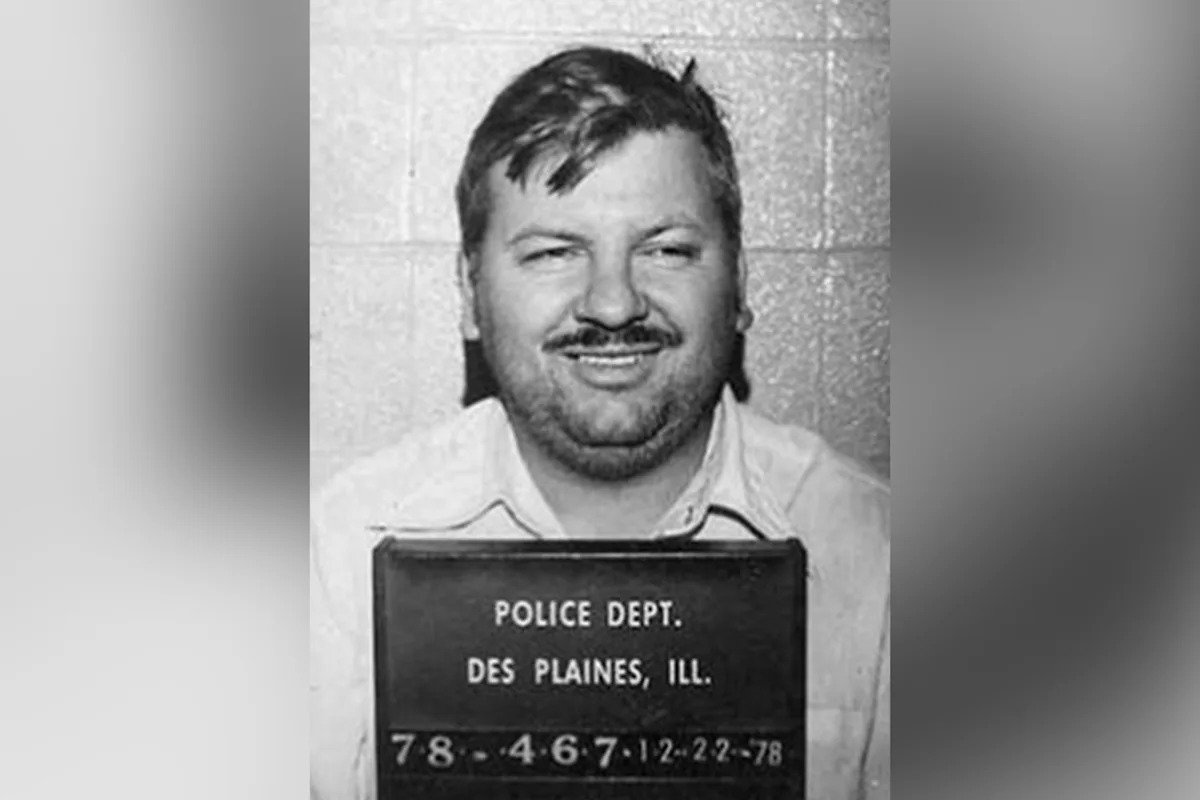
To his friends and neighbors, John Wayne Gacy was a friendly contractor and part-time clown. But behind the smile was a prolific serial killer who murdered at least 33 young men and teen boys.
Using his easy-going demeanor, Gacy would lull his victims into a false sense of security, before raping, killing and burying many of their bodies under his home in Norwood Park Township, Illinois.
“It wasn’t like he had horns, or a sign,” police officer Michael Albrecht once said, according to a 1994 article in The New York Times. “He was very popular, very well liked.”
Once behind bars for the heinous crimes, Gacy’s duplicitous streak continued as the killer found more ways to capitalize on his charisma, whether it was earning extra privileges on death row, orchestrating a 900 number to proclaim his innocence or making a name for himself as a successful—albeit somewhat creepy—artist.
For More on John Wayne Gacy:
The Disturbing True Story of John Wayne Gacy, The Original Serial Killer Clown
Man Believed to Have Voluntarily Dropped Off The Grid Identified as John Wayne Gacy Victim
“Smelled Like a Morgue!”: The Brazen (And Stupid) Way That John Gacy Got Caught
What Was John Gacy’s Life Like in Prison?
Convicted in 1980, Gacy was sentenced to death for 33 murders between 1972 and 1978. But his manipulative streak did not end there.
According to a 1982 UPI report, 20 inmates at Illinois’ Menard Correctional Center signed a petition claiming that Gacy was given extra privileges that allowed him to freely move about the unit’s visiting room, carry tools like a putty knife and relax watching a color tv or listening to a radio in his cell.
Corrections Department spokesman Nick Howell denied the claims at the time, telling the news outlet that Gacy was allowed to leave his cell to do maintenance work “because he has been no problem in prison and because of his experience as a contractor.”
He added that Gacy was given a job to “clean up the cell house” because of his good behavior behind bars and helped repair the visiting room after it was damaged by the inmates, insisting that, “basically, he pushes a broom.”
John Gacy’s Controversial Prison Artwork
As his years in prison stretched on, Gacy found more ways to occupy his time. He was responsible for orchestrating a 900 number that charged callers $23.88 to listen to a 12-minute recording of him proclaiming his innocence, according to The New York Times.
Gacy also took up painting, often creating self-portraits as “Pogo the clown.” As UPI reported in 1994, his paintings also depicted other clowns, Elvis Presley, Jesus Christ and the Snow White’s seven dwarfs.
RELATED: Are There Less Serial Killers Now? Here’s What the Experts Have to Say
As his execution date loomed, the demand for his paintings only grew. At the time of his death, The New York Times reported that the images were worth anywhere from $200 to $20,000.
“When he is put to death, there won’t be any more Gacy paintings,” James Quick, owner of James Quick Auctioneers Ltd. explained to UPI. “It will end the supply, and now it will be up to the demand to determine value.”
According to Quick—who sold some of Gacy’s images—some buyers were attracted to the “ghoulish factor” of collecting art from one of the country’s most notorious killers.
However, others didn’t believed that Gacy or his heirs should profit from the work.
Joe Roth and Wally Knoebel bought paintings and then burned the artwork, allowing victims’ families to toss the paintings into the fire themselves, Vice reported.
Illinois even filed a civil suit questioning whether Gacy should control the profits from his art. Though, the suit was dropped before his death.
Still, The New York Times estimated in 1994 that his two children, two stepchildren and sister could collect around $100,000 from the sales.
RELATED: All About Ed Gein, the Serial Killer Who Decorated His Home with Human Skin and Bones
How Did John Gacy Die?
Fourteen years after he was sent to death row, Gacy died by lethal injection on May 10, 1994.
“He never expressed concerns about his death,” his death-row attorney Karen Conti told A&E True Crime. “I didn’t sense he even realized it was going to happen.”
One prison official described Gacy as being “very chatty” on his last day alive, before enjoying a final meal of fried chicken, fried shrimp, French fries and fresh strawberries, The New York Times reported in 1994.
Gacy’s execution was delayed after the tube delivering the fatal chemicals into his body got clogged, but he was officially pronounced dead at 12:58 a.m., TIME reported.
[ad_2]
Source link