
[ad_1]
Collectors spent years buying pieces that were mostly meant to be admired from a distance. In 2026, that idea feels much less exciting to many buyers. People now want collectibles they can interact with, hear, customize, or actually use in some way. That shift has pushed playable art into the spotlight, especially among younger collectors looking for pieces that feel more personal and memorable.
Luxury Pinball Machines
Credit: Instagram
Modern pinball machines have become serious collector’s items, especially the high-end models built by companies like Jersey Jack Pinball. Limited editions based on names like Harry Potter and Elton John became especially popular in 2025. A lot of buyers are drawn to the craftsmanship as much as the gameplay, since these machines are packed with detailed artwork, moving parts, lights, and complex engineering.
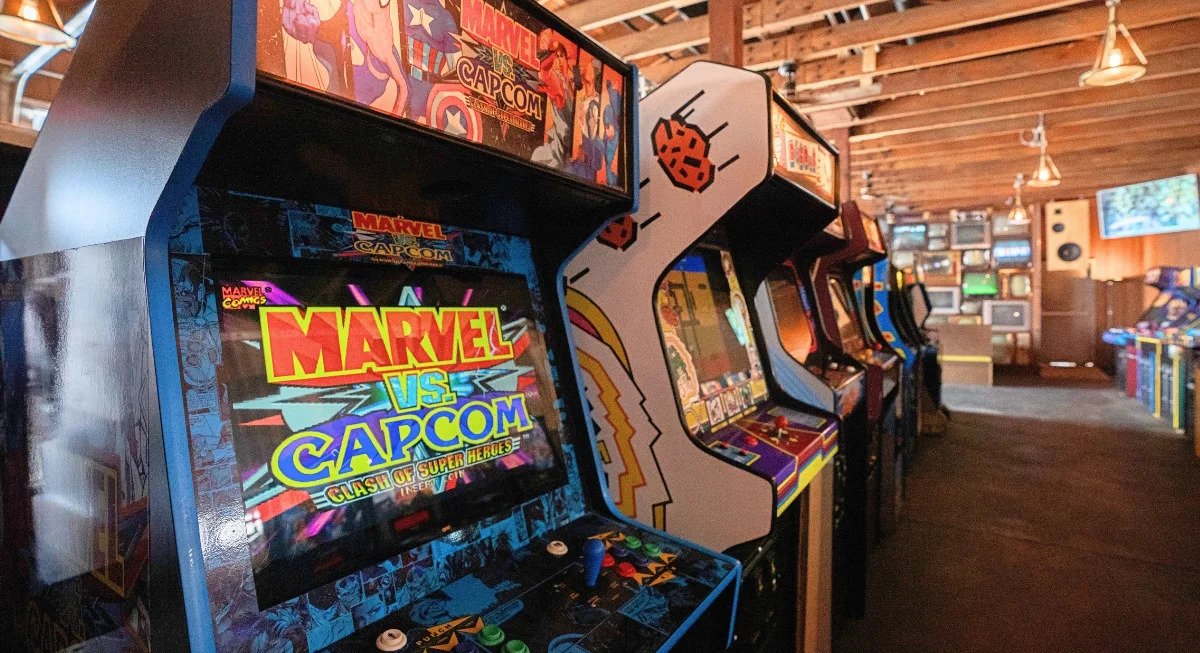
Retro Arcade Cabinets
Credit: Wikimedia Commons
Collectors who grew up feeding quarters into arcade machines finally have the money and space to bring those memories home. Custom cabinets became especially popular because owners can personalize the artwork, controls, sound systems, and game selections. Original machines linked to classics like Street Fighter II and Galaga have also continued rising in value.
Modular Synthesizers
Credit: Wikimedia Commons
Modular synth collections started crossing into gallery spaces after musicians and visual artists embraced their strange mix of sound design and industrial aesthetics. Newer modular brands gained traction because no two setups look identical. The tactile side matters here. Owners build sound physically instead of clicking through software menus on a laptop screen.
Mechanical Watches
Credit: pexels
The smartwatch boom accidentally helped mechanical watches look cooler again. Younger collectors began appreciating visible gears and movements that function entirely without touchscreens or batteries. A mechanical watch also carries a playful side. Chronographs, moon phases, and rotating bezels turn precision engineering into something interactive that people wear every day.
Playable Music Installations
Credit: Tripadvisor
Interactive music pieces are no longer limited to museums and galleries. More collectors are bringing them into their homes as functional art that responds to movement, touch, or pressure. Some create shifting sounds as people walk through a room, while others connect directly to lighting or smart home systems. The appeal comes from the experience itself since no two interactions feel exactly the same.
High-End Racing Simulators
Credit: pexels
Professional-grade racing simulators entered collector territory after Formula 1, and esports exploded in popularity. Premium rigs now include carbon fiber frames, hydraulic pedals, wraparound displays, and motion systems that mimic real driving conditions. Companies like Aston Martin and Porsche even partnered with simulator manufacturers to produce limited-edition models.
Generative Digital Art Displays
Credit: Wikipedia
Digital art became easier to live with once collectors stopped treating NFTs as quick speculation. Generative displays now function like evolving canvases, constantly shifting through programmed visuals. Artists create systems instead of single static images. That difference changed the conversation around ownership.
Restored Vintage Jukeboxes
Credit: Wikimedia Commons
Vintage jukeboxes are popular again for a pretty simple reason: people miss physical music experiences. There’s something satisfying about watching a record slide into place instead of tapping a playlist on a phone screen. Many restoration shops now update older machines with Bluetooth and modern sound systems, making them easier to use without losing their original character.
Designer Toys With Interactive Features
Credit: pexels
Designer toy collecting looks very different now than it did a few years ago. Artists started experimenting with sound, lighting, movement, and touch-sensitive details, which made the pieces feel closer to small art installations than shelf decorations. Japanese-inspired brands helped push the trend forward, and limited releases often disappear almost instantly once they go on sale.
Interactive Projection Art
Credit: pexels
Projection mapping once belonged mostly to concerts and public events. Compact systems now let collectors own interactive visual environments inside their homes. These installations project moving artwork onto walls, floors, and sculptural objects while responding to sound or movement. Designers working in hospitality and nightlife helped push the trend into residential collecting.
[ad_2]
Source link