[ad_1]
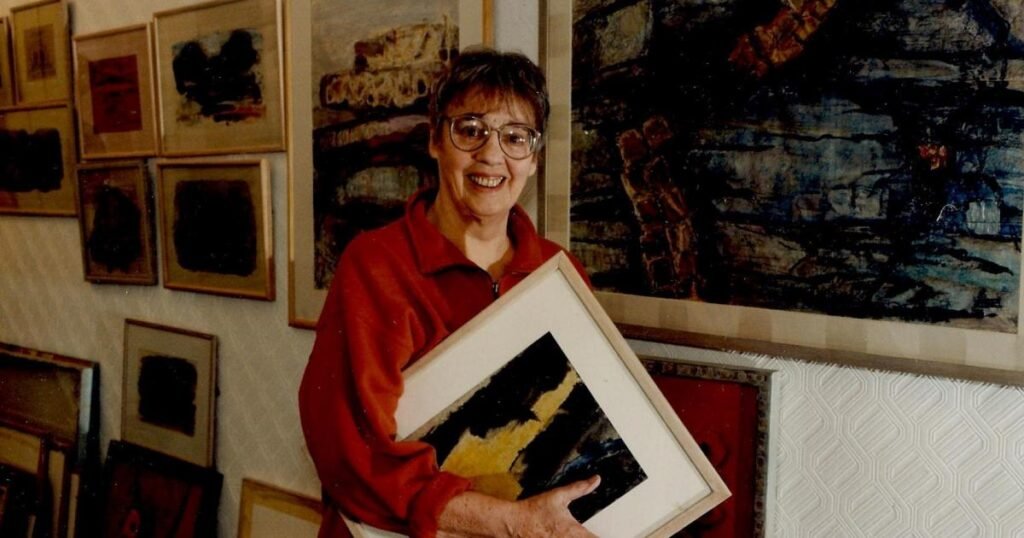
Florence Jamieson was born in Clouston Street. Glasgow, November 17, 1925 and died five years ago near Inverness leaving a legacy of work spanning sixty decades.
The acquisition recognises Jamieson’s important contribution to Scottish art and is enabled by the Glasgow Museums Acquisitions Fund, The National Fund for Acquisitions, and by contributions from her daughter Rebecca Thomson.
Florence Jamieson was one of the “Glasgow Girls” – a number of notable women artists associated with the Glasgow School of Art in the first half of the 20th century. Her work – sensitive, expressive, and technically skilled – spans both fine and applied arts, but the full endorsement of the wider art establishment eluded her.
READ MORE:
A trip to a museum with a remarkable – and dark – story to tell
Elspeth King: Tributes paid to the ‘people’s curator’
Tantalising treasures at Stirling Smith Museum unveil the secrets of ancient Sudan
She built a lifelong career at a time when women artists were routinely overlooked and excluded from public collections and major exhibitions. She achieved membership in the Royal Society of Painters in Watercolour and the Society of Scottish Artists, and with her husband, Robert Sinclair Thomson, founded Scotland’s first commercial artisan pottery to open after the Second World War. She was one of only four remaining living artists to be included in the prestigious Glasgow Girls exhibition at Kirkcudbright Galleries in 2014.
“This acquisition is a resounding endorsement of the quality of my mother’s work and puts her firmly where she belongs” said her daughter, Rebecca Thomson.
“My mother was an original thinker – strong and independent. She knew her talent was something special. But she worked at a time, and in a world, that did not give women artists the status they deserved. I’m proud to see that imbalance being addressed, though I’m sad that she did not live to see it.”
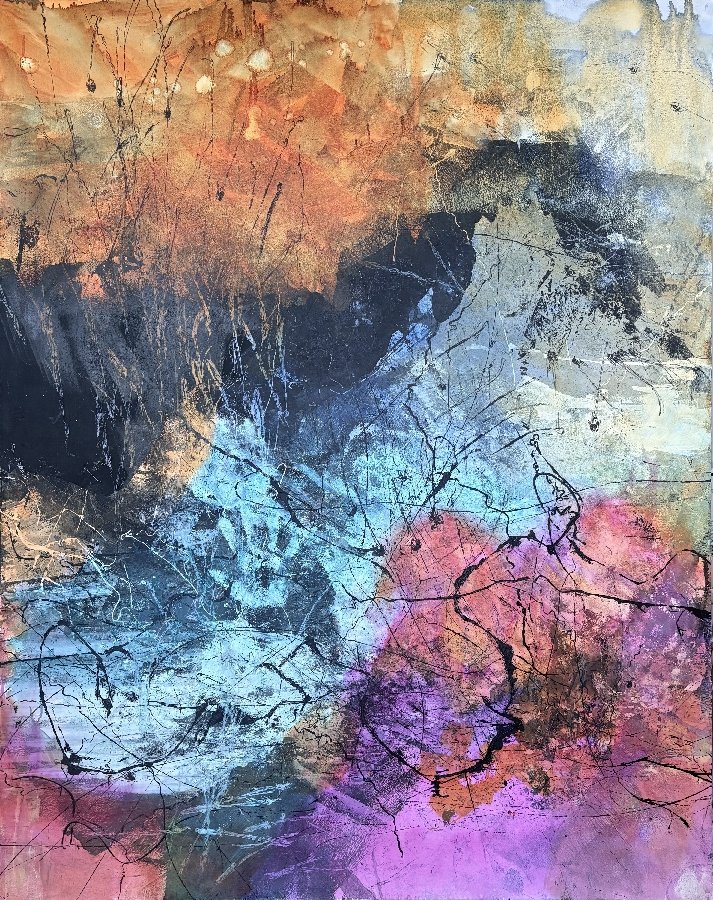
The collection now entering Glasgow Life Museums is a wide selection representing the range of her work, most notably a self-portrait in oil, painted in her mid-twenties.
“Woman artists were not collected as much as male artists, so are not as well represented in collections. Especially artists of this time and before. Glasgow Life Museums have been trying to rectify that for some time now and this capsule collection of Florence Jamieson’s work is a perfect example. The works range from paintings to ceramics and it’s important we can show Jamieson’s rich and diverse practice.” said Martin Craig, Curator of Art Post 1945 for Glasgow Life Museums.
“Part of the acquisition is a wonderful Self Portrait, so Florence will herself be visible and represented with our collection and on display in our world famous venues.”
[ad_2]
Source link