


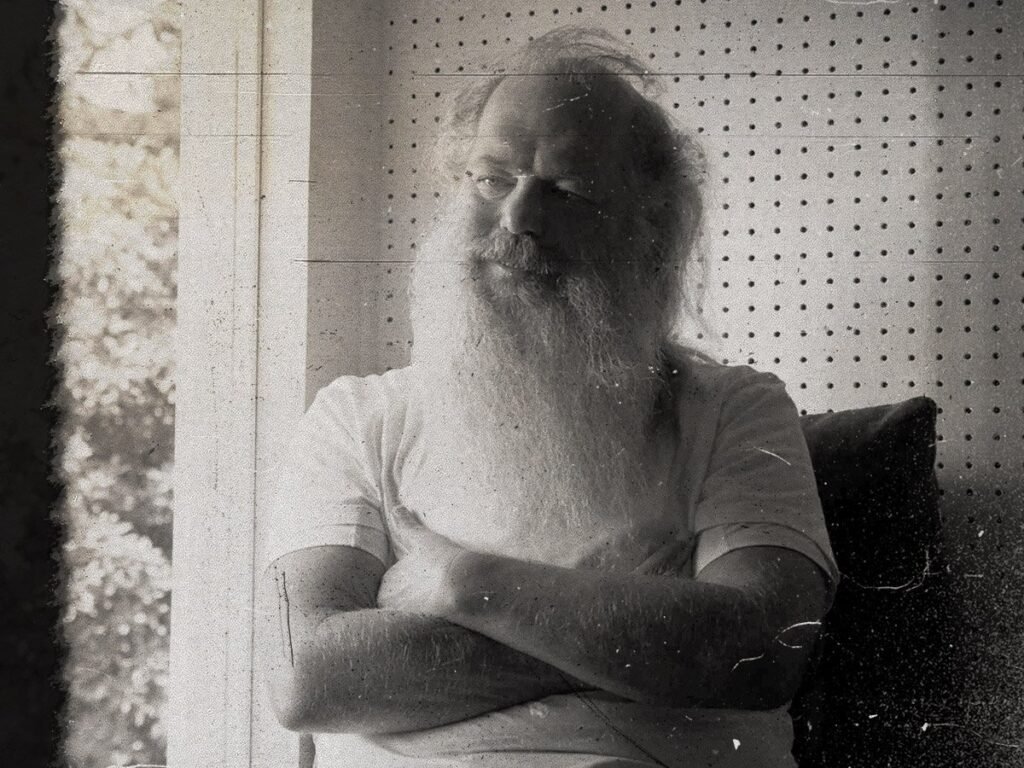

(Credits: Far Out / Showtime / YouTube Still)
There’s a strange magic that comes from Rick Rubin working behind the production board.
As much as his recording process can often look like he’s lounging around on the couch doing absolutely nothing, he’s probably the most acute listener in the music industry and will be able to coach a band through all of their classic records. He knows when he’s listening to a track that’s going to stand the test of time, but there are often a few artists that manage to completely shock him with the kind of music they brought to the table.
And that’s not really a sentence anyone should take lightly. If you’ve been listening to any kind of music for the past 40 years, chances are Rubin has had a hand in working in your favourite genre at some point. He had worked his magic for hip-hop at the beginning of his career and continues to be the go-to guy for Red Hot Chili Peppers, but even if you’ve never once heard a rock song in your life, it’s easy to see him as the bearded guru that helped Johnny Cash become a legend all over again.
Because for Rubin, it was never about genre barriers. He was born into the punk rock scene, and while the other bands in that crowd clearly had an agenda, Rubin was more of a fan of making music without rules. He could go from The Strokes to Slipknot to Tom Petty with no problem, and that’s always because he’s listening to the song first rather than what the guitar tone should be.
A lot of his best records are based on whether a tune feels right, but he already got his knowledge on recording from The Beatles. The Fab Four wrote the rulebook and even managed to restore Rubin’s faith in a higher power at one point, but the producer knew that there were other people in the world that were capable of that kind of beauty the first time he heard Brian Wilson perform.
If The Beatles were the Beethoven of modern music in many respects, then Wilson was Mozart. Both of them set the foundation for what many of us think of when we hear rock and roll, but Wilson was the kind of person that could spew out masterpieces with no problem. John Lennon and Paul McCartney at least had each other to bounce off of, but aside from the lyrics, Wilson was more than happy to put together gorgeous harmonies all on his own without too much hassle half the time.
It’d be easy to line up all those Beach Boys classics and dissect every track to explain what made them good, but Rubin felt that getting to that point was beyond human comprehension, saying, “He heard things that other people couldn’t hear and would make the effort to get them onto tape so that we could all hear them. And they were often unusual things, very beautiful things, very beautiful harmonies and arrangements that might not make sense to anyone else at the time.”
Especially for the mid-1960s, though, hearing a tune like ‘California Girls’ and ‘Good Vibrations’ were bound to be a little bit of a headtrip. No one was structuring a pop song like this, and even if Wilson had an affection for the former, the latter is the definition of what a musical masterpiece is supposed to be, going through various different sections and weaving together the most elaborate harmonies anyone has ever done.
Nothing in Rubin’s discography has ever come close to the kind of work that Wilson did with The Beach Boys, but it was never designed to. Rubin knew the strengths he had and how to push his artists to find their own strength, but hearing Wilson’s beautiful voice over top of those tunes is the kind of magic that only comes once in a lifetime.
Related Topics


