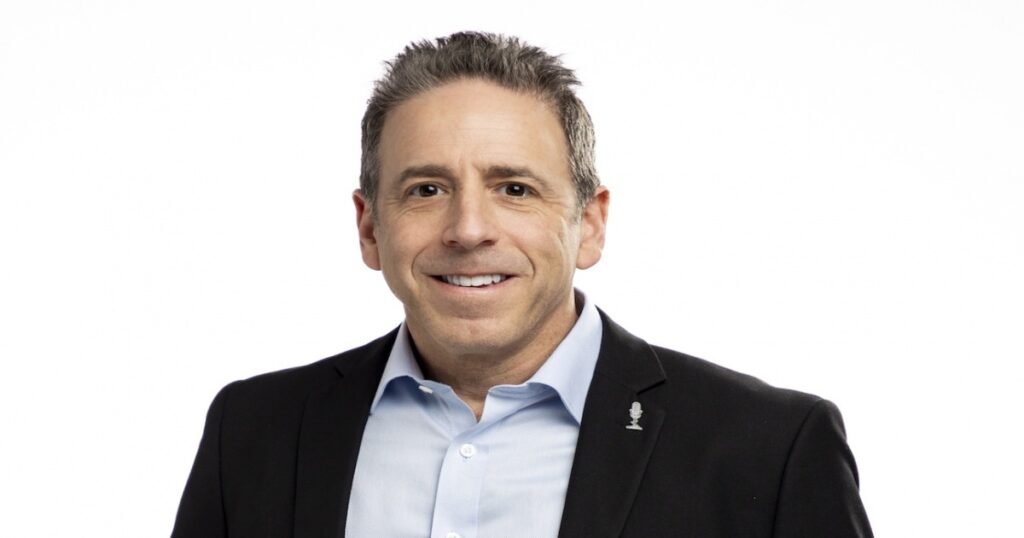
Alex Heiche, founder and CEO of Sound Royalties, used his keynote speech at the Music Managers’ Forum’s Manager Summit 2025to highlight the major shifts in what makes an artist investable. Here, he sets out the shift in what makes a good investment…
In music, what makes someone investable?
For decades, the answer was simple: catalogues. Evergreen music that showed up neatly in a spreadsheet.
But today “investability” is bigger than that. It’s about a person. A story. A community. An audience that doesn’t just listen… they believe. Investors have started to see a shift in what makes a good investment. It isn’t just about past earnings anymore; it’s also about future potential.
In finance, “investable” has always meant one thing: predictable revenue. Safe bets. Assets you can rely on to behave exactly as expected.
For years investable in this industry meant big catalogue acquisitions, with the likes of BMG, Concord, Primary Wave, Blackstone, and others pouring billions into music rights. Those deals validated music as a serious investment opportunity.
Those headline-grabbing deals were just the beginning. With each new wave of capital, the message gets stronger: music is one of the world’s most enduring and valuable assets.
“Predictable”. “Safe bet”. Does that sound like the music industry? Music has always been unpredictable by nature. No spreadsheet could have predicted Lil Nas X going from a $30 beat purchased online to breaking the Hot 100 with Old Town Road. That’s what a community-powered rocket ship looks like. That’s the real definition of investable today.
Investors in the broader creative market are watching three major shifts take shape:
First: the importance of people and brands. The way an artist shows up in the world – their name, image, likeness – can make or break their value. Travis Scott turned himself into a global brand with sneakers, a McDonald’s meal and even a video game launch. Rihanna built Fenty into a billion-dollar company. These weren’t accidents. They were deliberate brand strategies layered on top of the music. Every interview, every social post, every collaboration is building – or eroding – long-term brand equity.
Second: the rise of digital-first creators. TikTok stars, YouTubers, Twitch streamers. These creators can have millions of fans before they have even released any music. PinkPantheress built her following through TikTok snippets. Ice Spice caught fire with a viral track that turned into a career. Fred Again.. built an entire community around his Actual Life album trilogy and later his Boiler Room DJ set before the mainstream even caught on. The tactic isn’t just to “go viral”, it’s to experiment, test content quickly, and use data to double down on what connects
Third: the emergence of artist-led businesses. Indie labels, publishing houses, merchandise companies, even marketing firms – these aren’t side hustles; they are real businesses that make artists more resilient. Look at Taylor Swift: she turned touring and merchandise into a multi-billion dollar engine and then used that leverage to repurchase her rights. It doesn’t stop at the music or the tour – what else can be built that strengthens the artist’s reach and longevity?
It isn’t just about past earnings anymore; it’s also about future potential
Alex Heiche
Considering all of that, let me ask you this: would you rather invest in a spreadsheet of royalties, or in a creator who can turn one TikTok post into a global audience overnight?
That is why Sound Royalties exists. We don’t invest in catalogues. We empower creators and their teams to invest in themselves, without requiring them to sell ownership.
Take Brent Faiyaz. Early in his career, he turned to us not for millions, but for a little breathing room – to tour, to create, to invest in himself. That space helped fuel music that has since surpassed four billion streams, led to his own independent label and creative agency, and landed him No.2 on the US albums chart. That’s what can happen when you give artists capital without taking away their rights.
Today, artists want to keep control of their rights – but they also recognise the value of the creative services that labels provide: marketing, global distribution, radio promotion, sync pitching, creative strategy. The tools that can take a career global.
When artists and managers negotiate their label, distribution or publishing deal not needing money, they have more leverage. They can choose the services they need, negotiate stronger terms, and build true partnerships rather than compromises born out of necessity.
So let me leave you with this thought: Goldman Sachs projects that global music revenue will double to nearly $90 billion by 2030. That future revenue isn’t just numbers; it’s songs that haven’t been written yet. It’s the 14-year-old at home scribbling lyrics about her life, or the next producer building beats on a cracked-screen laptop that barely holds a charge. They are the future value of this industry.
If we get this right… if we back creativity with the right tools and capital; then we won’t just make music investable. We will make creators unstoppable.
For more stories like this, and to keep up to date with all our market leading news, features and analysis, sign up to receive our daily Morning Briefing newsletter