TMA aims to finish the comprehensive gallery reinstallation by 2027, reinforcing global narrative with accumulated collection
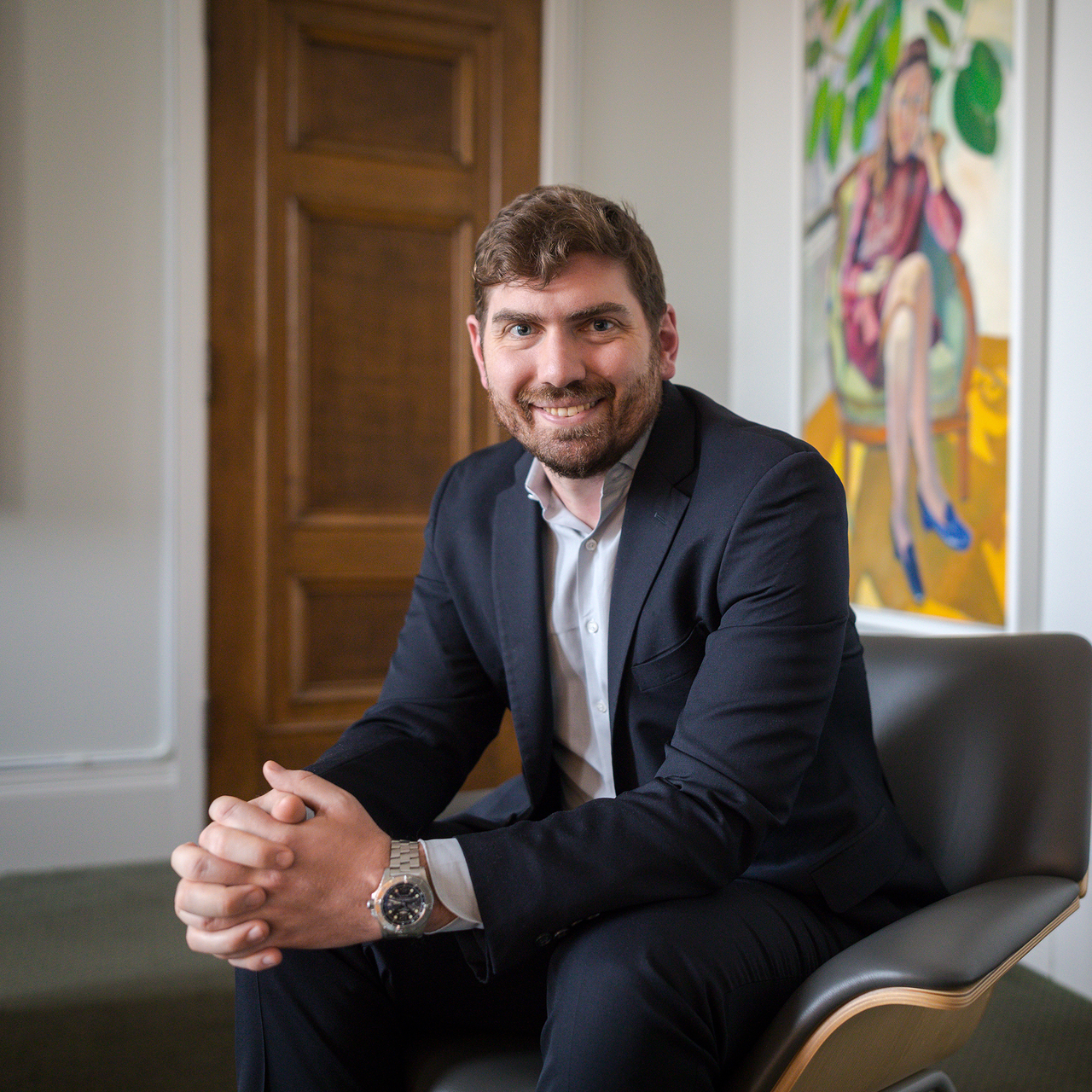
The Toledo Museum of Art in Ohio recently acquired “Ecriture No.16-76” by Korean dansaekhwa master Park Seo-bo. It now hangs next to a painting by American minimalist Agnes Martin.
Park’s 1976 work, acquired in June, features repeated pencil lines drawn across a canvas covered with creamy beige oil paint. It is one of the earlier pieces in the late dansaekhwa artist’s Ecriture series. Park was a leading figure in the Korean art movement known as dansaekhwa, or Korean monochrome painting with an emphasis on repetitive and meditative actions, which emerged in the late 1960s.
The side-by-side placement of the two paintings reflects a broader vision to reinforce a chronological and cross-cultural narrative in TMA’s permanent installation by relocating works across the museum. The comprehensive gallery reinstallation is its first in over 40 years, with a “grand reopening” planned for 2027, according to the museum.
“It allows us to tell this dialogue, not of how these two artists were interacting with each other directly, but how, in the postwar period, the artists were thinking about similar issues in terms of society and of how that manifests as aesthetic experience, even separated by thousands of miles,” said Adam M. Levine, director of the Toledo Museum of Art, in a Zoom interview with The Korea Herald on July 28.
“The collection has grown so much over the past 40 years … The way the collection was displayed did not tell a truly global art history. It is time for a refresh and to rethink the way we tell art history for our audiences.”
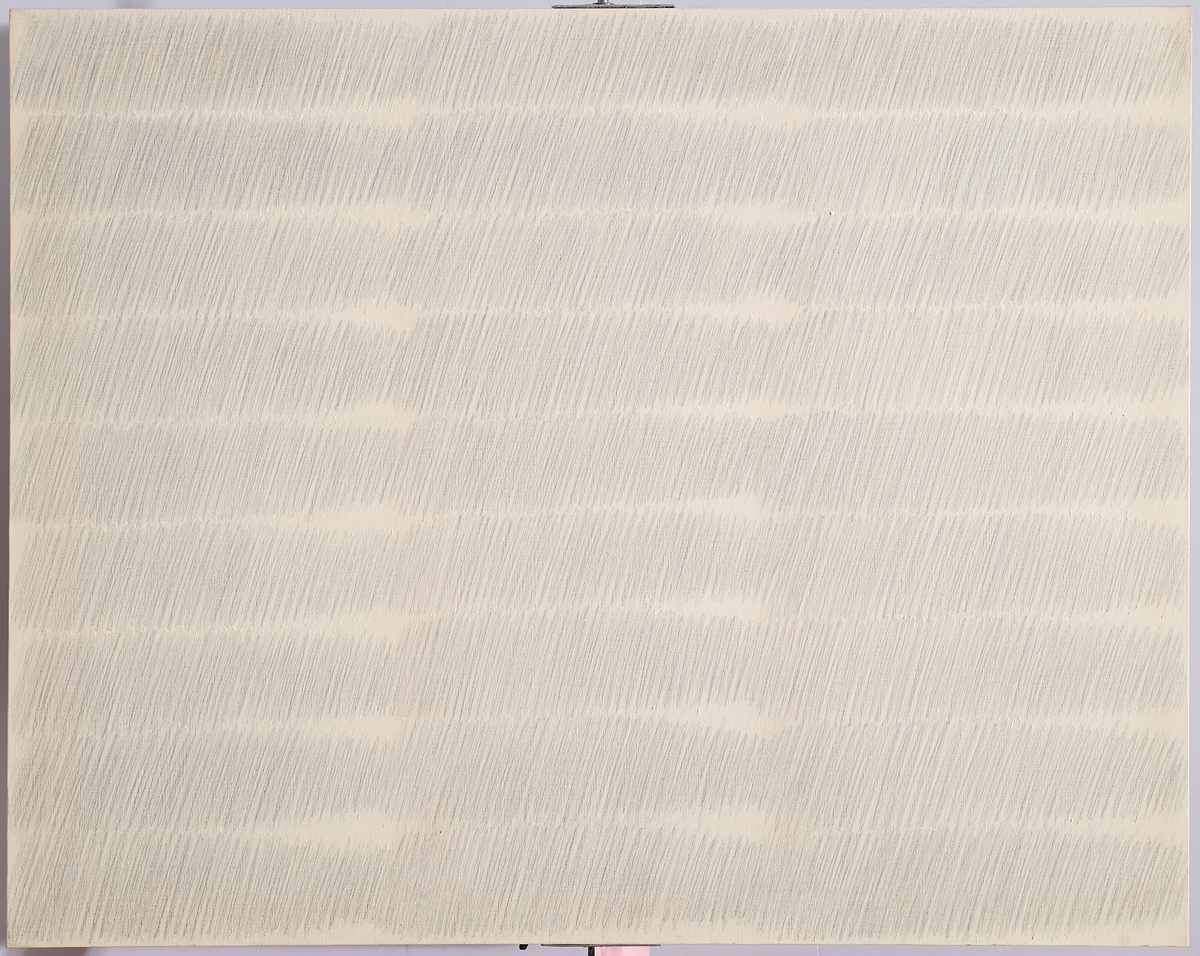
The museum has been collecting community feedback on the reinstallation since last year, with the design set to be finalized by the end of this year. Levine took office as director in 2020.
With an emphasis on the global context, the visibility of Korean art to the public has expanded dramatically — more than half of the Korean collection is now on display, while only one piece was on display in 2020, the director said.
The Korean collection at TMA comprises 16 pieces as of 2025, a 33 percent increase from the 12 pieces in 2020.
“It is impossible to tell a truly global art history without talking about dansaekhwa and talking about Korean contributions across time and space,” Levine said.
Park’s painting joins the museum’s recent acquisitions of Korean art, including a 17th-century jar decorated with orchid blooms, Goryeo celadons and Donkey’s Sofa, a sculpture by Gim Hong-sok. The museum also holds works by Korean contemporary artists Lee Bul, Yang Hae-gue and video art pioneer Paik Nam-june.
The acquisition of Park Seo-bo’s work in June was made possible through the Georgia Welles Apollo Society, a collecting group of more than 100 members.
Unlike many museums where curators compete for patrons’ support, at TMA, a single curator leads the initiative each year. In this cycle, Asian art curator Christine Starkman, who was appointed in 2022, proposed several works, with Park’s painting ultimately selected by the society.
The museum has invested in Asian art since the early 1900s and was one of the first US museums to have an Asian art curator — Dorothy Blair, from 1928-1952 — but lacked sufficient curatorial coverage to represent the whole world, Levine said.
“Over the past five years, we have quadrupled our curatorship and have curators for every time period and every geography,” he said. “The museum’s annual acquisition budget was doubled from $2.5 million to $5.5 million thanks to endowment growth and fundraising, which allowed all these curators to go out and find works like Park Seo-bo.”
Late last year, the museum announced its acquisition of 264 artworks through purchases and gifts in 2024. Among them is a Persian carpet from the Rothschild collection, crafted in a royal workshop during the reign of Shah Tahmasp I (1524-1576), that strengthens the museum’s Islamic art collection.
The museum also plans to increase its collection of African modernism, South American art and Native American art to fill “gaps” in the museum’s historical narrative, according to the director.
Building trust through community
The standard for a “great museum” has evolved over time, said Levine, adding that while the collections and exhibitions remain essential for evaluating a museum’s significance, what truly matters as a director is how an institution connects with its community.
“The Toledo Museum of Art, while we have an international platform and collection, we’re primarily a regional museum. Our community is really engaged with us,” Levine said.
“I think we have this obligation to bring people together in a way that there are not many places left in the world where people who disagree can still come together, stand side by side, and look at the same thing. That is one of the reasons I think museums are so important,” he added.
The Toledo Museum of Art, founded in 1901 by entrepreneur and art collector Edward D. Libbey, is home to more than 30,000 artworks and remains a privately endowed, nonprofit institution.
yunapark@heraldcorp.com