Of all the ways of seeing envisaged by the art critic John Berger in his 1972 BBC series of that name, the one he could not have anticipated has become almost the default: the high-speed flit from artwork to artwork in galleries and museums, mobile phone in hand, jostling with fellow art-fanciers to take a picture or a selfie – looking, but not seeing.
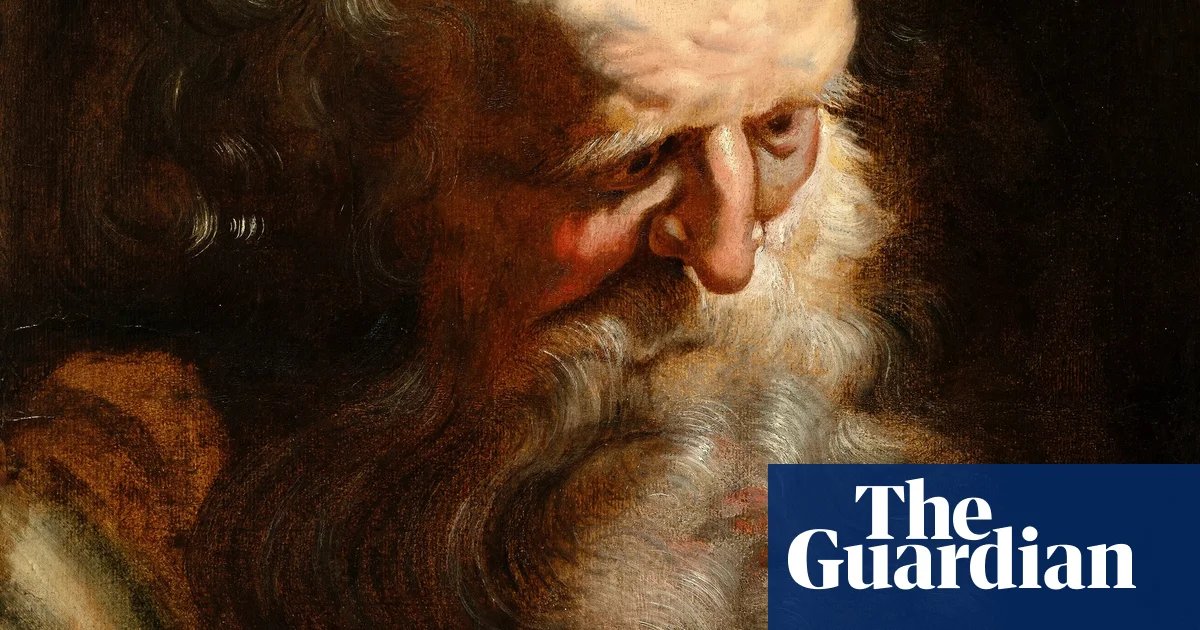
But now the National Trust is proposing a modest alternative to the speed-dating model of art appreciation. A Rembrandt self-portrait from Buckland Abbey, its attribution once questioned but now confirmed, is going on tour, with the aim of “boost[ing] the mental wellbeing of those who see it.”
The Self-Portrait Wearing a White Feathered Bonnet set out for Kingston Lacy in Dorset on Friday; next year it will travel to Dunham Massey in Cheshire, and thence to Upton House, Warwickshire. Visitors will find comfortable chairs from which to contemplate the work, and an audio guide offering a “slow looking guided meditation” with “a gong and a soothing voice” which encourages you to think about your physical state while you are looking at the picture.
As the Rembrandt began its travels, last week Radio 3 unveiled a new digital station devoted to soothing content, with the launch of Radio 3 Unwind. Formerly a stream on BBC Sounds, Unwind features “expert-led wellbeing content” which is, according to Sam Jackson, the controller of Radio 3, “perfect for listeners seeking an escape from the demands of daily life”.
Among the escape options are Piano Focus (“dewy piano music to bring clarity and calm”) and The Sleeping Forecast (“peaceful music…alongside the Shipping Forecast”).
Creators from Vincent van Gogh and Stephen King have championed the role of art in making life bearable. “Art is to console those who are broken by life,” said van Gogh, while King argued that, “Life isn’t a support system for art. It’s the other way around.” A study commissioned last year by the Department of Culture, Media and Sport found that engagement with arts and heritage produced tangible benefits for quality of life and productivity.
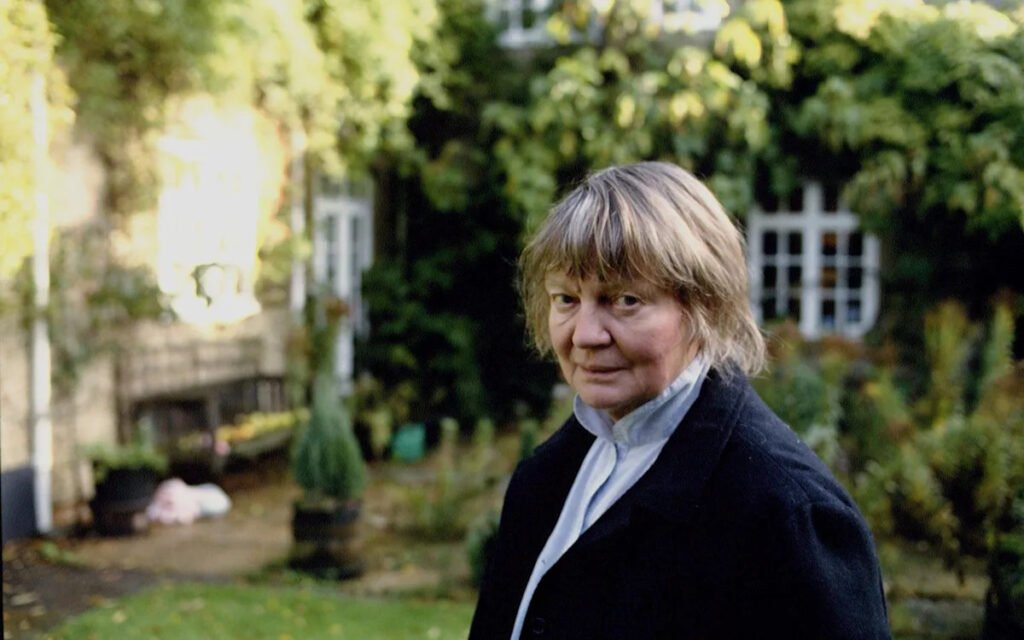
In our age of anxiety, it is tempting to embrace anything that stills the troubled mind. But the novelist and philosopher Iris Murdoch argued that “the connection between art and the moral life has languished”, in part because of “the temptation of art to console”. If art can restore us to ourselves, she suggested, it should do so not by promoting an escape from the demands of daily life, but by helping us to find thoughtful ways of confronting those demands.
Slow looking (or listening) could offer a route towards a deeper engagement with our surroundings: the British-Libyan author, Hisham Matar, wrote a wonderful book, A Month in Siena, about his exploration of the art of the Sienese school: “Only inside a book or in front of a painting can one truly be let into another’s perspective”.
If the National Trust’s Rembrandt tour, and Radio 3 Unwind’s dewy piano tracks, can lead us from a vaguely “spiritual” preoccupation with our own wellbeing towards a deeper curiosity about what art and music can teach us about a moral life, then job done.
The elevation of food merchandising
Art, said Andy Warhol, is what you can get away with. His depictions of Campbell’s condensed soup cans elevated that humble comestible to iconic status, and now the Greggs sausage roll is poised to follow.
This summer a model of the sausage roll secured a temporary place in the Culture Capital Zone at Madame Tussauds, alongside Stormzy, Shakespeare and Sir David Attenborough. Now, should you feel inclined, you can “lounge like a legend” on a beanbag replica of a Greggs sausage roll, for £69.95. (A vegan roll cushion is also available, at £24.95.)
This is not a first outing for inexplicable food merch: earlier this year Pizza Express brought out a range including an alarmingly bulbous dough ball bag for £280. And if that strikes you as expensive, avert your gaze from the spaghetti clutch bag from Moschino’s A/W 2025 collection, which looks like an Italian relation of Dougal from the Magic Roundabout – and retails for £2,207.