[ad_1]
A year ago, Luis Emilio Romero was living off the Jefferson L train stop in Bushwick, trying to concentrate on his oil painting despite the constant thrum of activity outside his door.
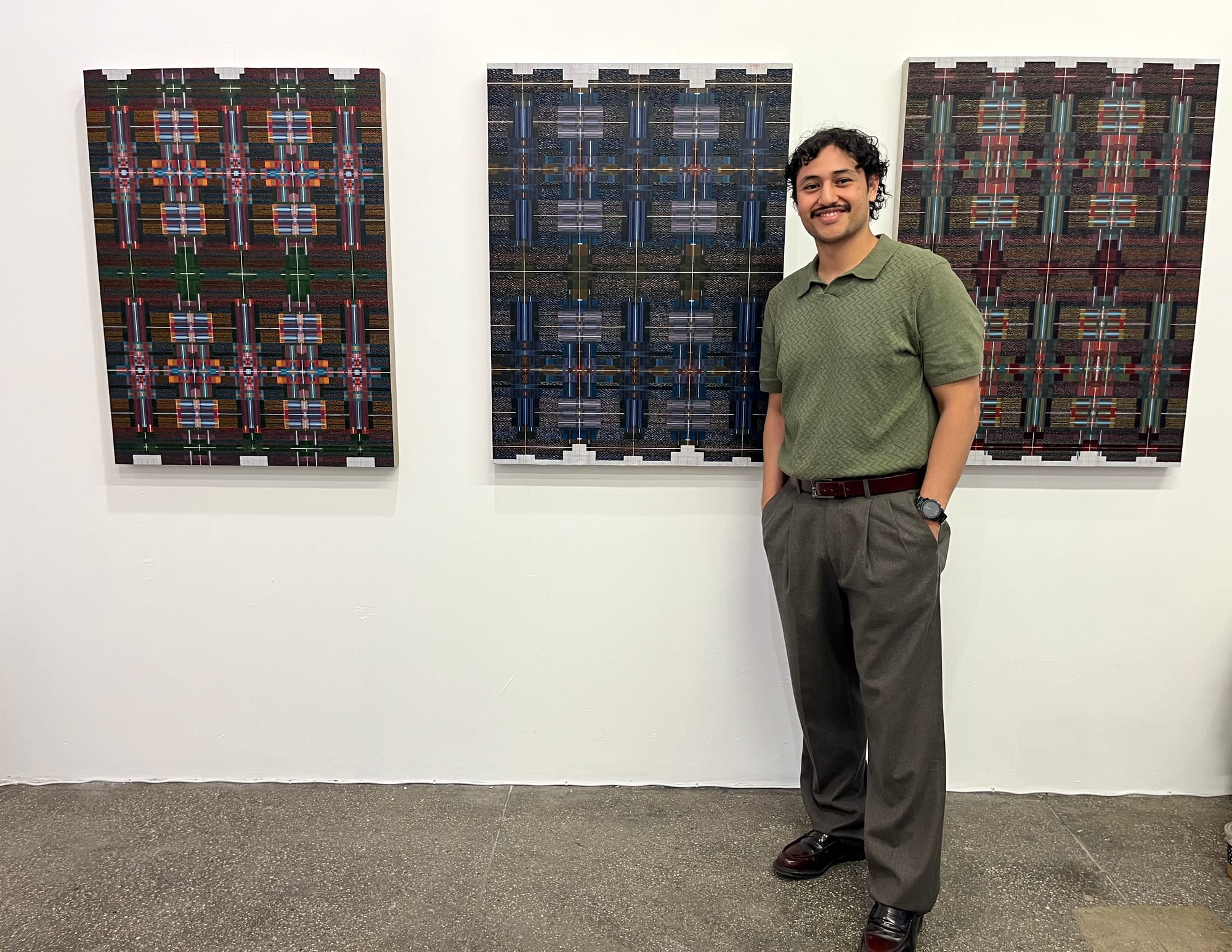
But the Jersey City native lucked out when he was accepted in December to the Monira Foundation’s highly competitive residency program at Mana Contemporary in Jersey City. Now he paints intricate, textile-influenced patterns as the light streams into his basement studio with no distractions.
“I love it here,” Romero told Hyperallergic during Mana’s Spring Open Studios this past weekend. My paintings imply a meditative spiritual process, and I need a space that is calm. I can just be here and continue building my practice.”
On the short walk from the Journal Square PATH station toward the arts center on Sunday afternoon, it appeared that New Yorkers may have been taking the Jersey City institution for granted. Since real estate developer Moishe Mana and co-founders Eugene Lemay and Yigal Ozeri converted the former century-old tobacco warehouse in 2011, the sprawling 2 million-square-foot campus has served as one of the nation’s largest artist-run facilities, on par with MoMA PS1 and MASS MoCA.
They embarked on a vision to mount multiple gallery exhibitions, host the International Center of Photography’s archives, the Richard Meier Model Museum, and the estates of Dan Flavin and Irving Penn, and provide studio space for hundreds of artists.
But the complex closed during COVID-19 and shifted much of its programming online, which dampened turnout from the city. (Lemay’s indictment for evading $7.8 million in payroll taxes in 2021 didn’t help matters.)
Since then, Mana Contemporary installed a new director in 2022 and has slowly brought back audiences with its biannual open studios, performances, and partnerships with other arts organizations, such as Pierogi Gallery and the Ayn Foundation.
“It’s been slow. We pivoted to a lot of virtual stuff, so we’ve been trying to get people out more and more,” Anne Muntges, director of Development and Residencies at the Monira Foundation, said. “We’ve figured out how to strategize our resources and we’re working hard to keep artists here front and center.”
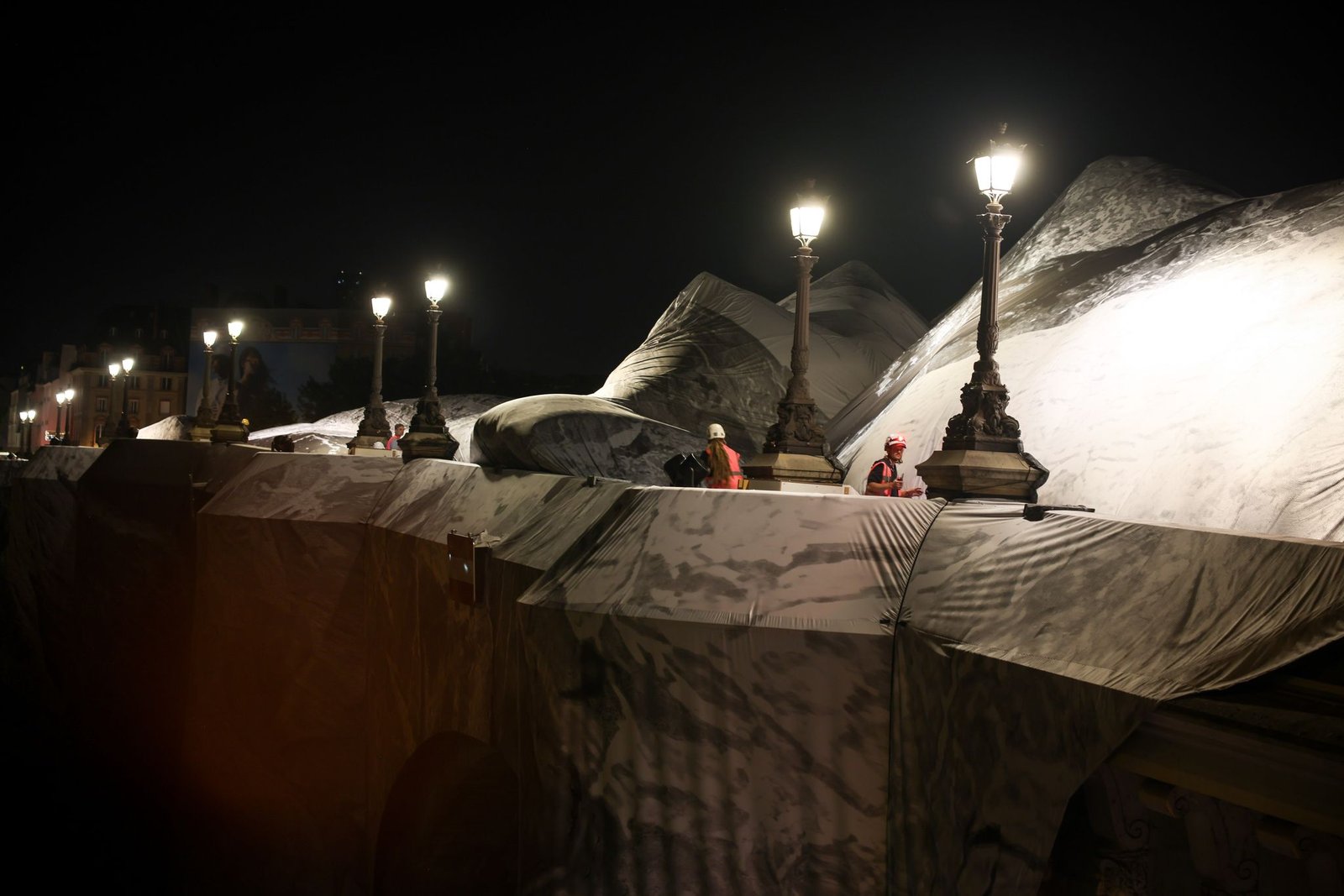
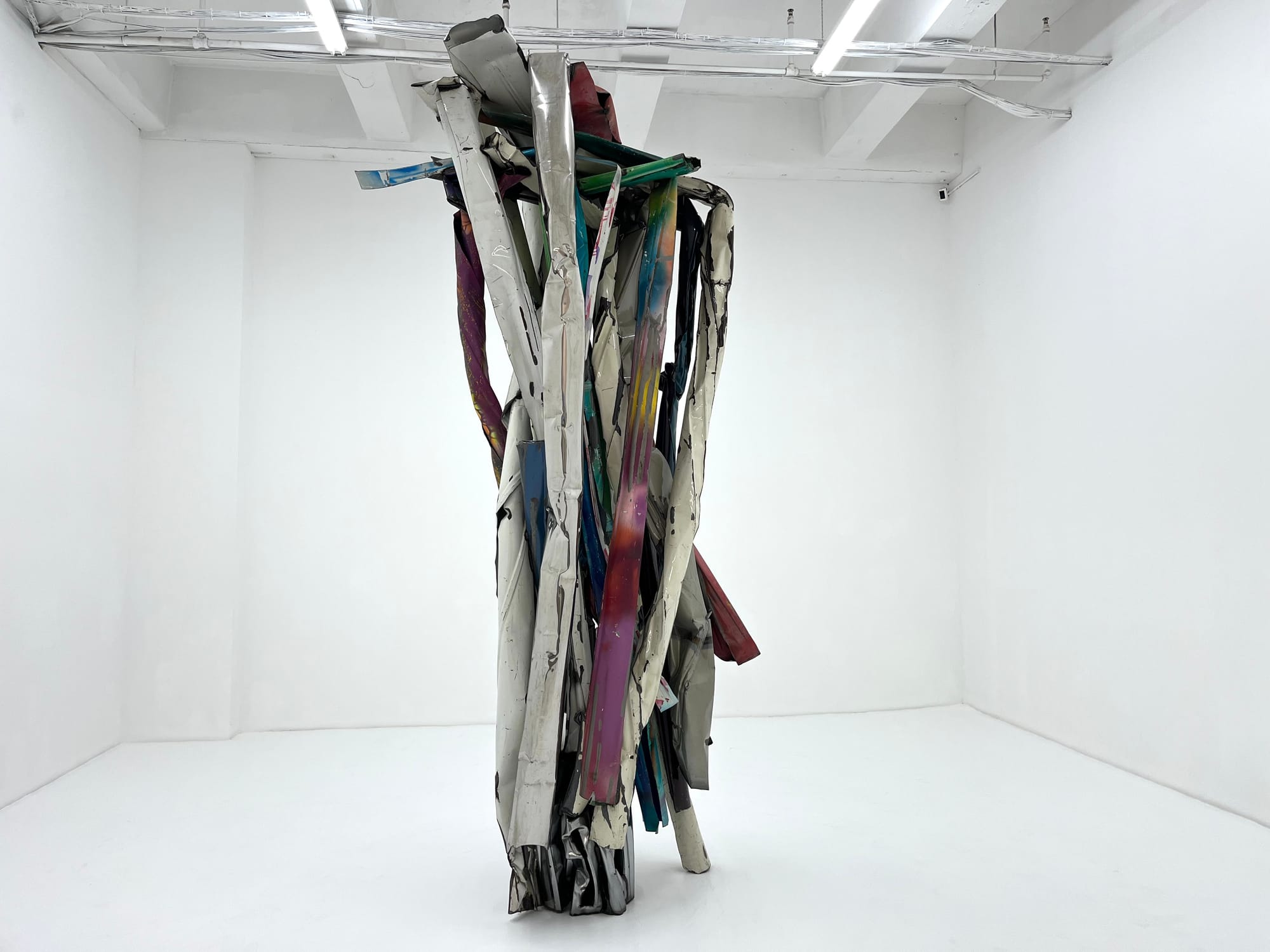
More than one-third of Mana’s 300 artists opened their studios on May 17, the largest participation number in years, Muntges said. The event also featured TLaloC’s installation, “ECHOES, HRÖNIRS – Three Titans: Artillero, Barloss, and Jusfis,” composed of three enormous inflatable sculptures resting inside Mana’s boiler room; four John Chamberlain chromium-plated steel assemblages; and an intriguing group exhibition of artist book makers, Open Book(s): Observations, presented by Pierogi, Mana, and the Monira Foundation.
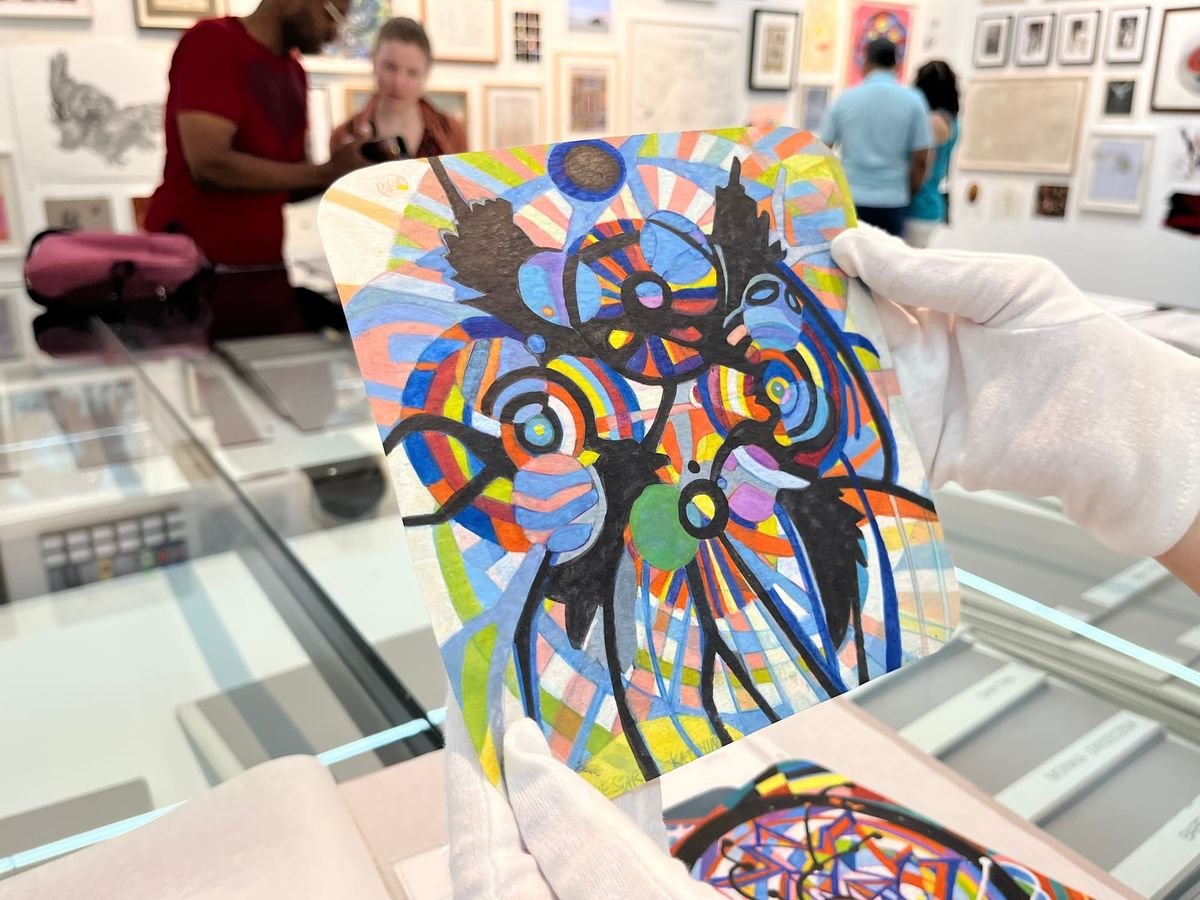
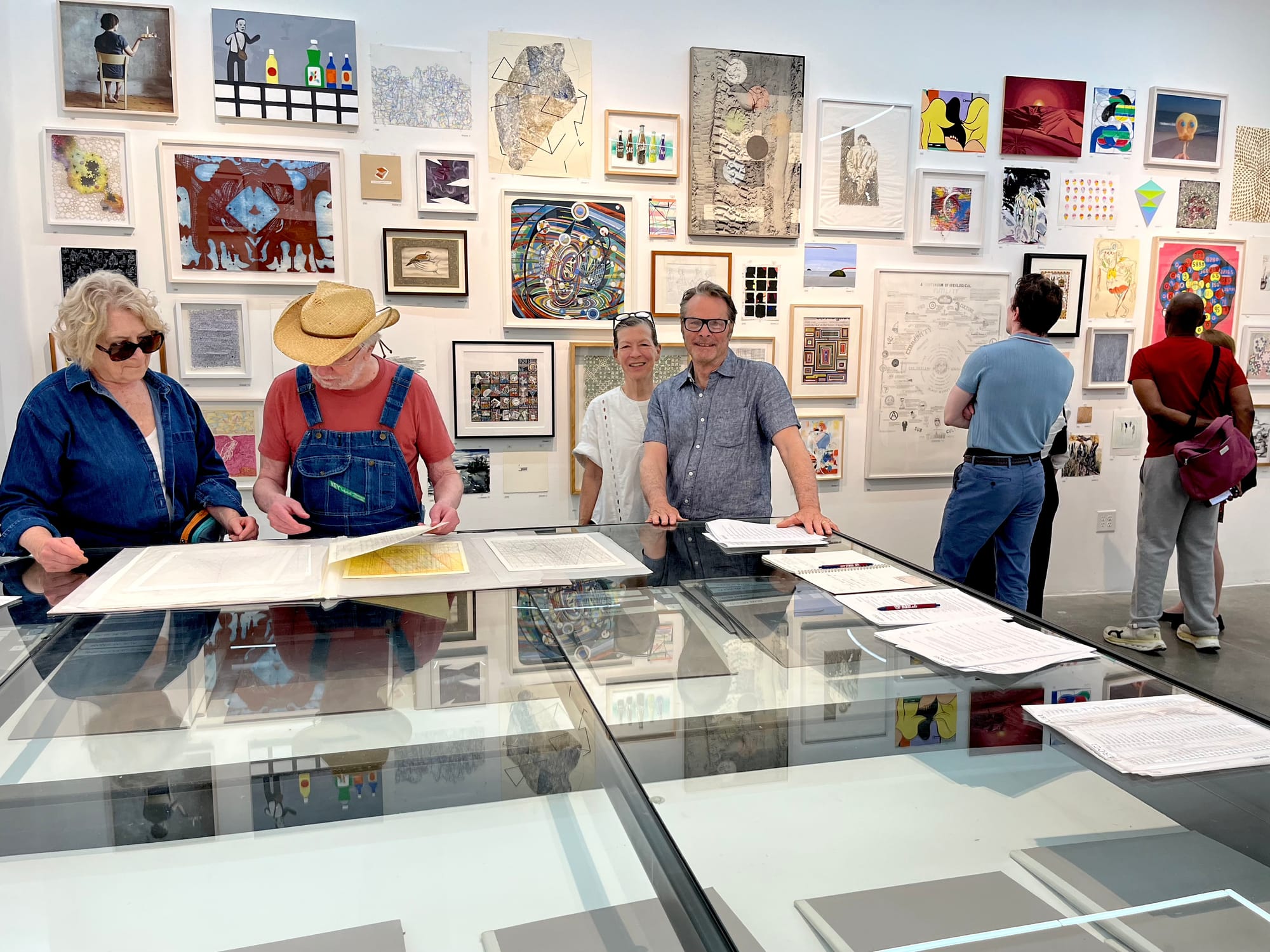
Last month, Pierogi co-owners Joe Amrhein and Susan Swenson also hauled their Flat Files containing nearly 4,000 original works from their Williamsburg headquarters into a first-floor room near the Chamberlain sculptures and hung pieces by 375 artists salon-style on its walls. The Flat Files will be at Mana for six months to a year, while Amrhein and Swenson will periodically rotate what works are on display in the room (Hyperallergic spotted works by David Kramer, Hugo Crosthwaite, Willy Hartland, Ati Maier, and Fred Tomaselli).
“The Flat Files are always evolving over the years,” Swenson said. “It allowed us to show artists we couldn’t show since you can only have 10 shows a year if you have a space. You can’t show everyone.”
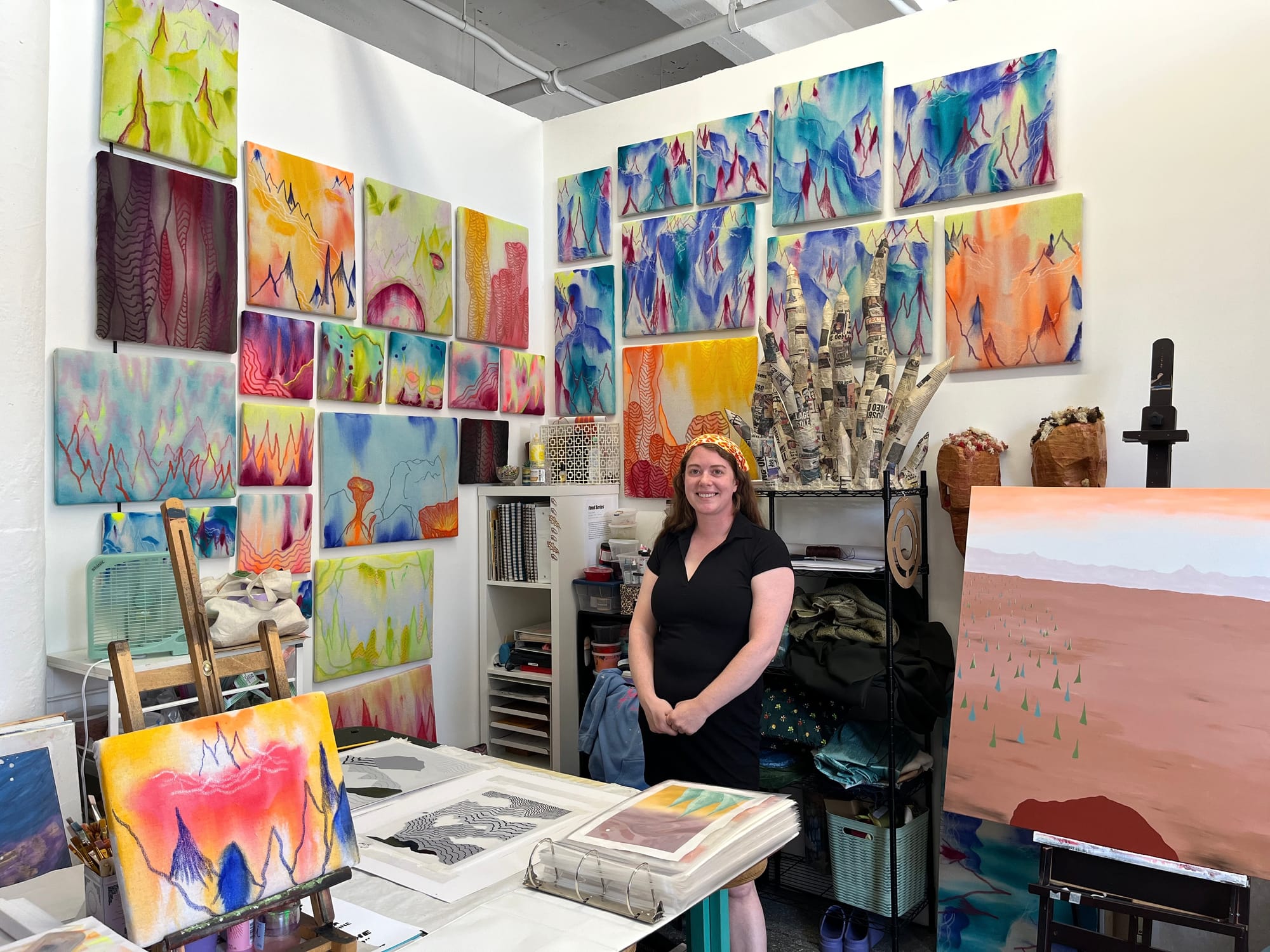
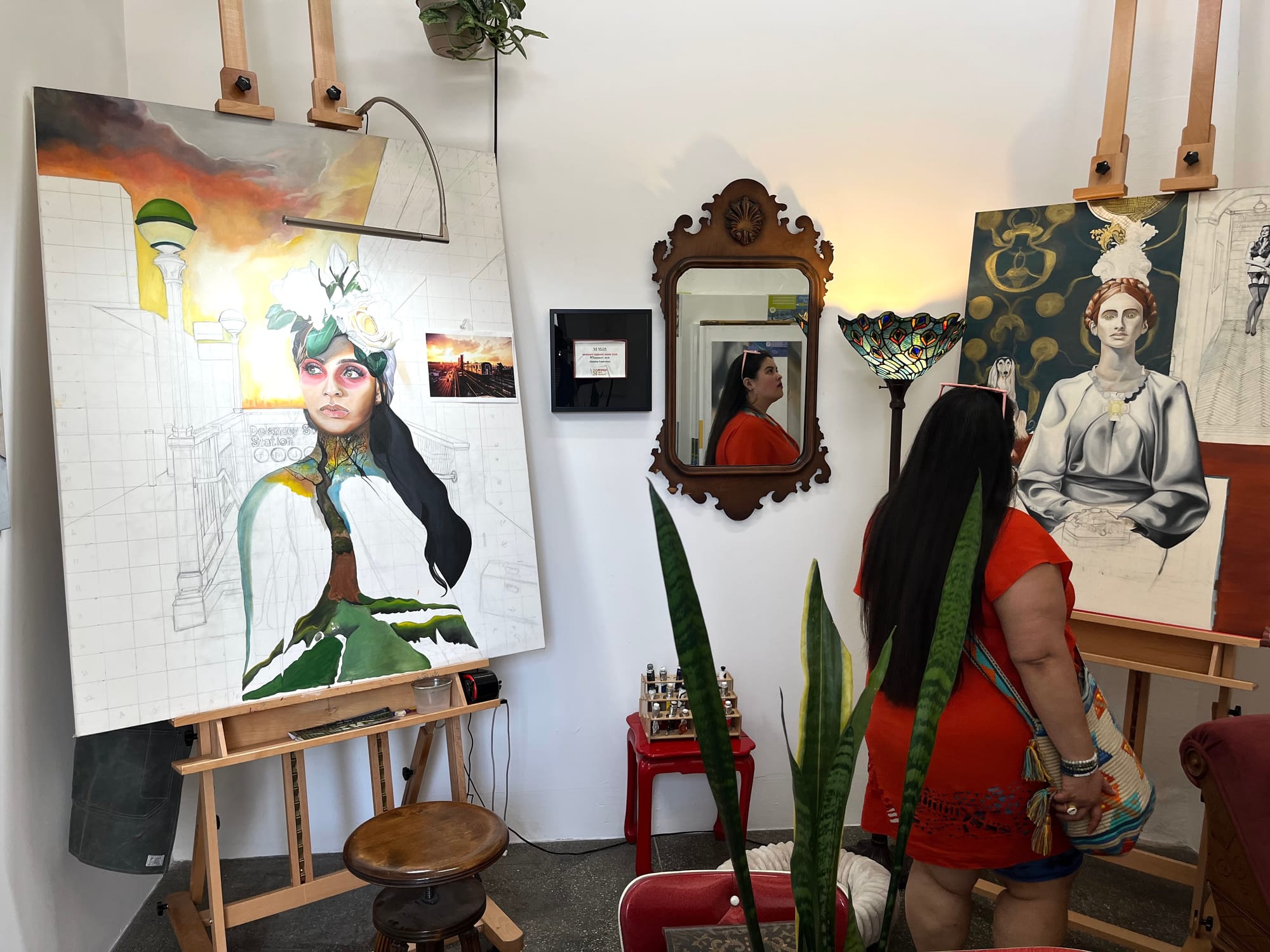
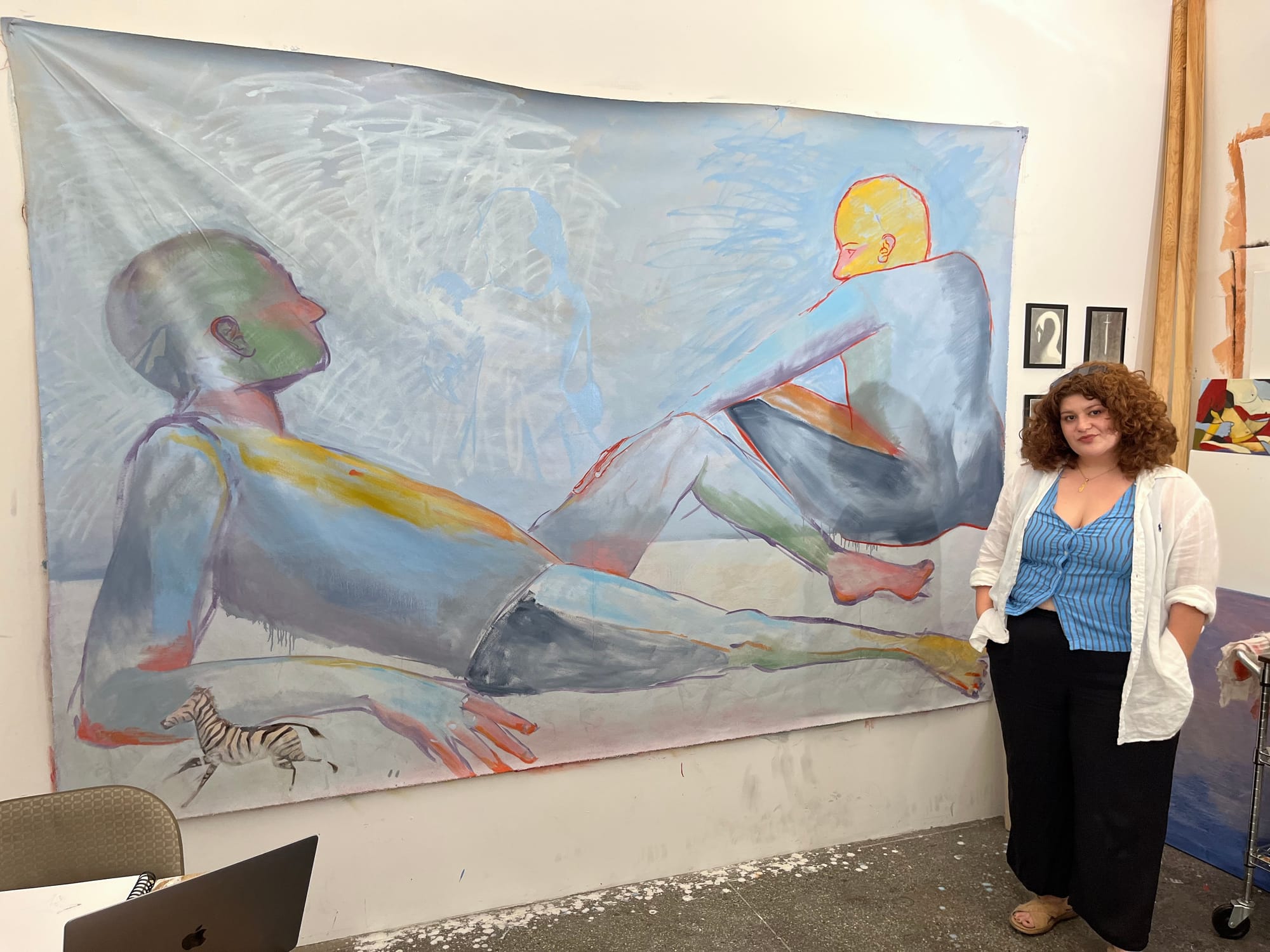
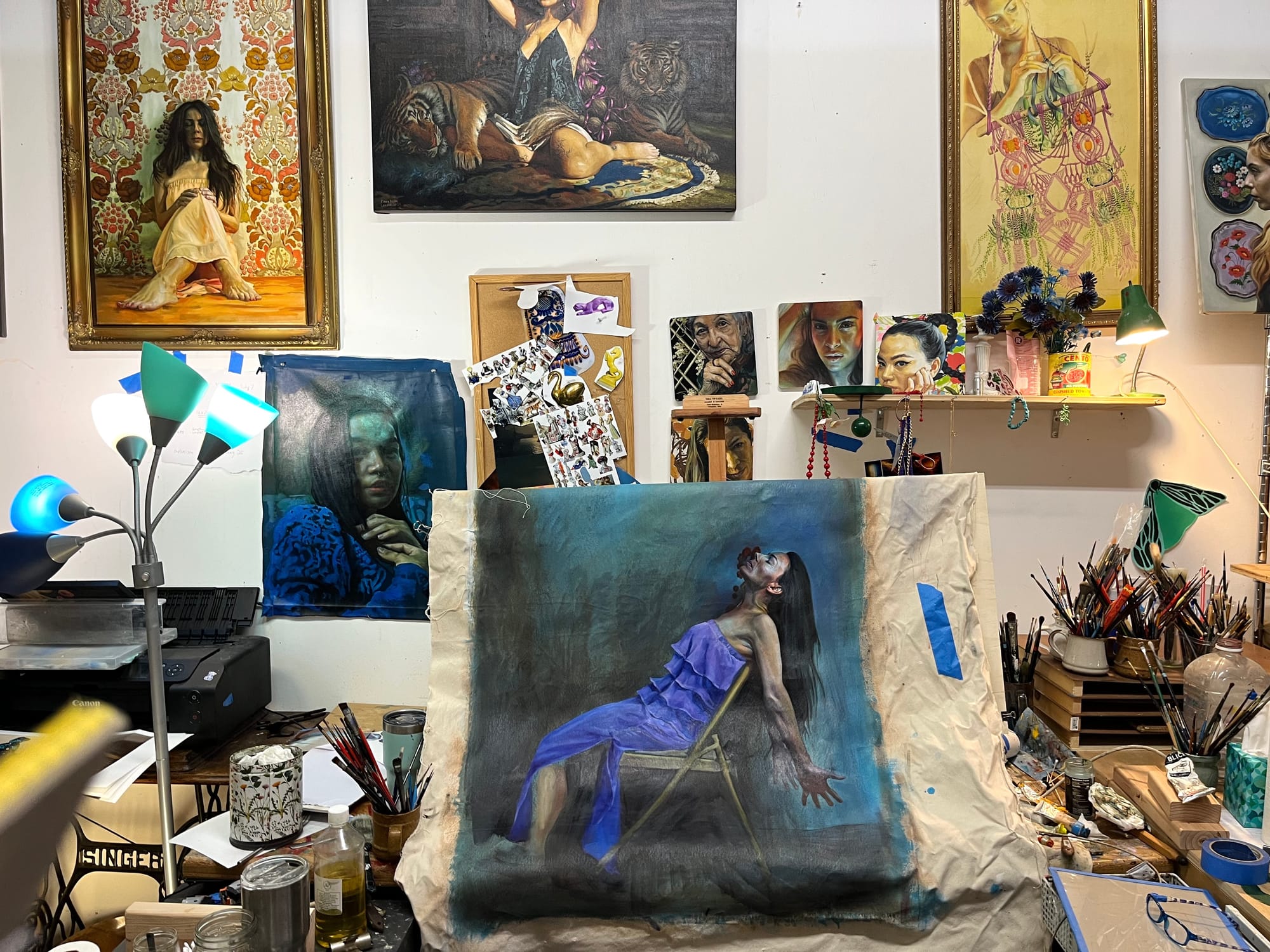
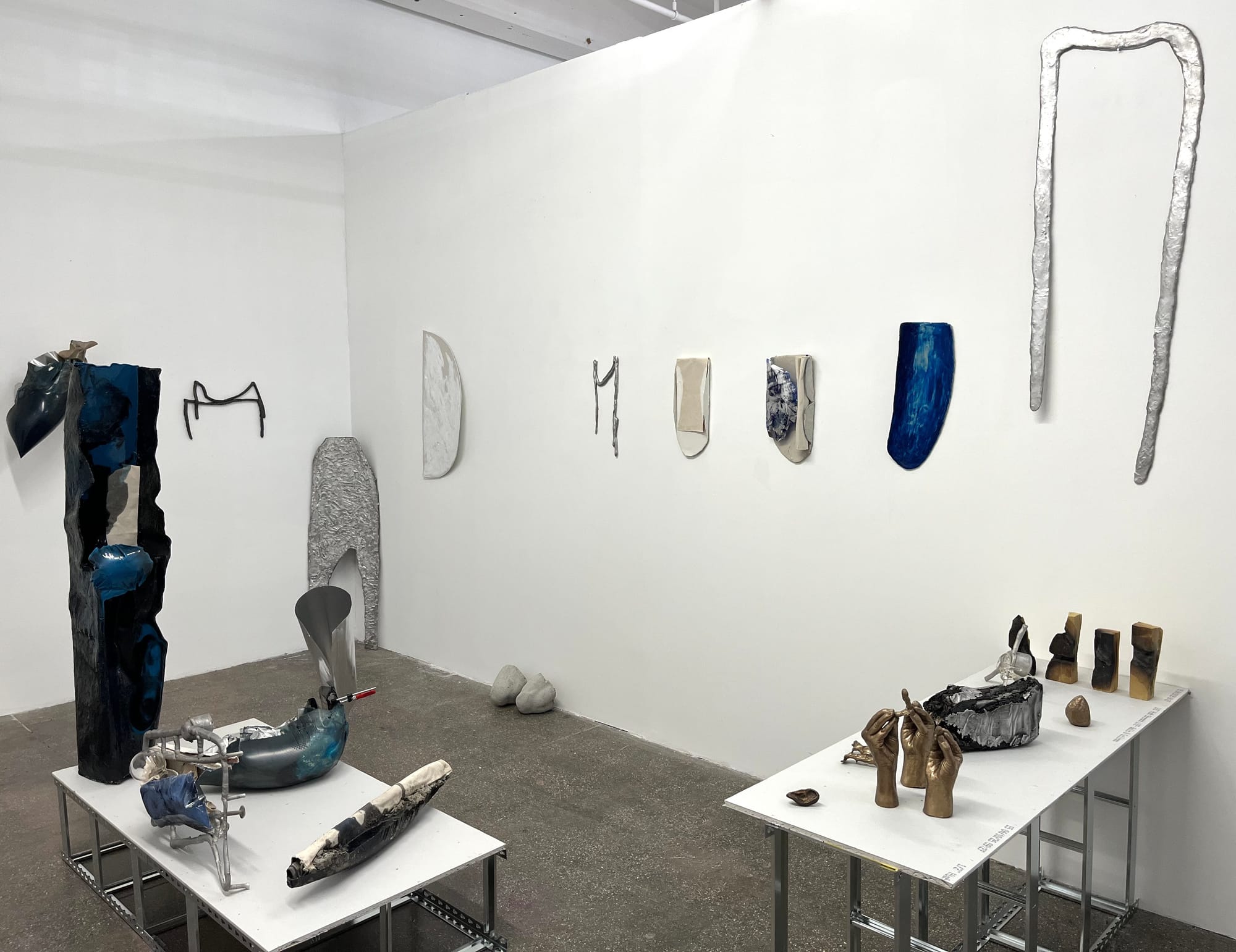
The main draw on Sunday was undoubtedly Mana’s studios, where the viewing public got a peek into the process of more than 100 contemporary artists.
In the basement, Kristian Battell assembled several dozen small paintings and sculptures of brightly colored, rugged landscapes ravaged and remade by plastics. “It’s a future vision of a post-Anthropocene world where plastics take over the land,” she said. “A lot of it goes into landfills, which creates an energy that erupts like lava.”
Next door, Michael Hines created several large abstract maze-like paintings that appeared to reference Sol LeWitt’s wall drawings but were made very differently. Hines said the curvy lines and colors in his works were inspired by impressions of womanhood instilled in him by his daughter and mother.
“I wanted to capture the joy of jumping like a young person but also the joy of an adult feeling that emotion,” he said. “All of the paintings start as a complete drawing and have a story within them that creates a unique composition. I want the colors and the lines to express that story.”
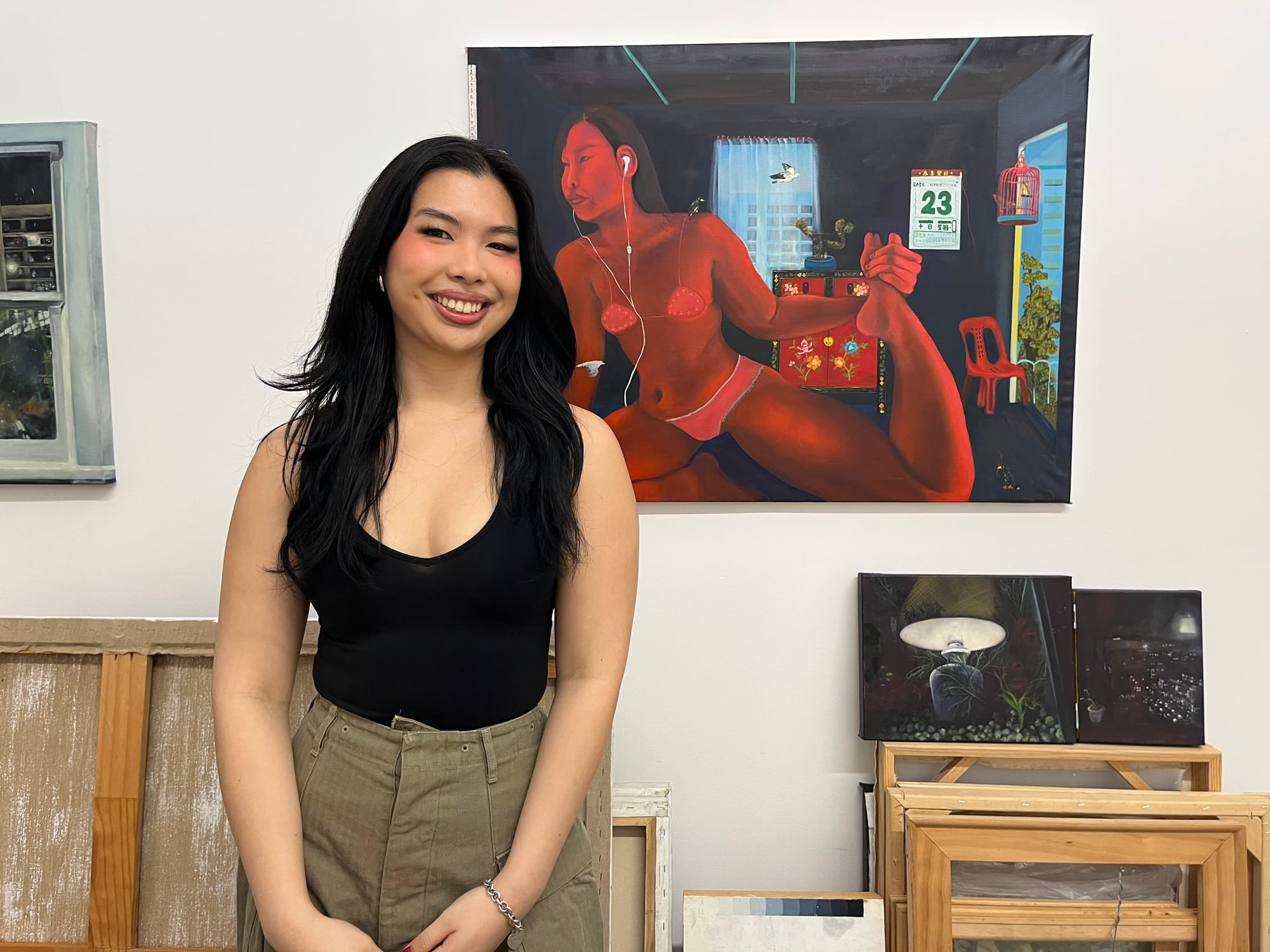
On the other side of the floor, where the Monira Foundation has its studios, Claudia Koh put up several canvases depicting engrossing scenes that speak to social inequality in her native Singapore.
“It only takes an hour to go from one side of the city to the other,” she said. “The country is manmade, and I’m interested in those ecosystems, how people inhabit a built environment, and how they work together.”
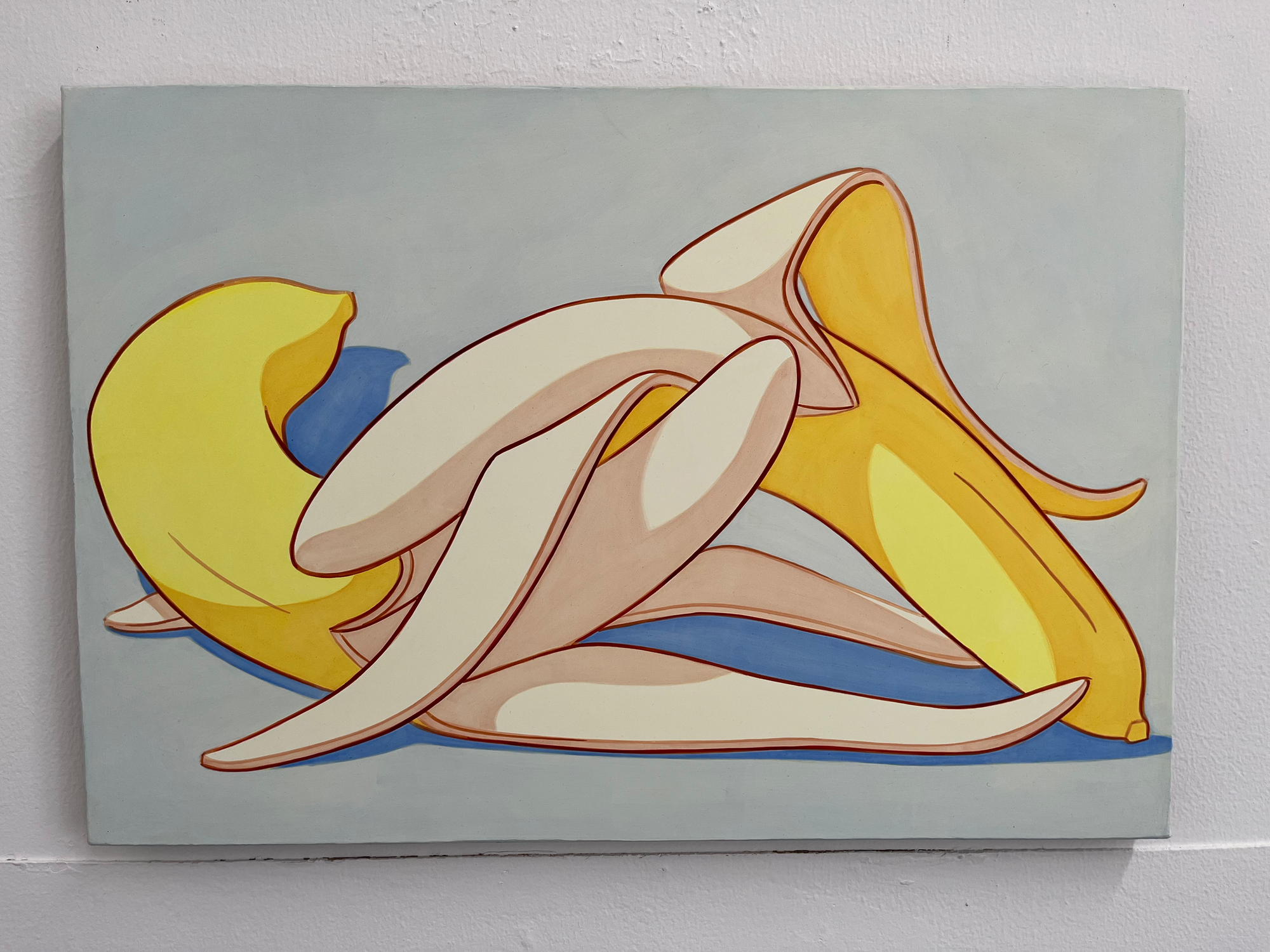
Artist Ivy Haldeman hung several small paintings depicting frisky bananas in lascivious positions and a feminine hot dog lounging in her bun. She said her hot dog was inspired by a bodega advertisement in Buenos Aires.
“She’s a little tired. She’s cozy,” Haldeman said.
[ad_2]
Source link