
[ad_1]

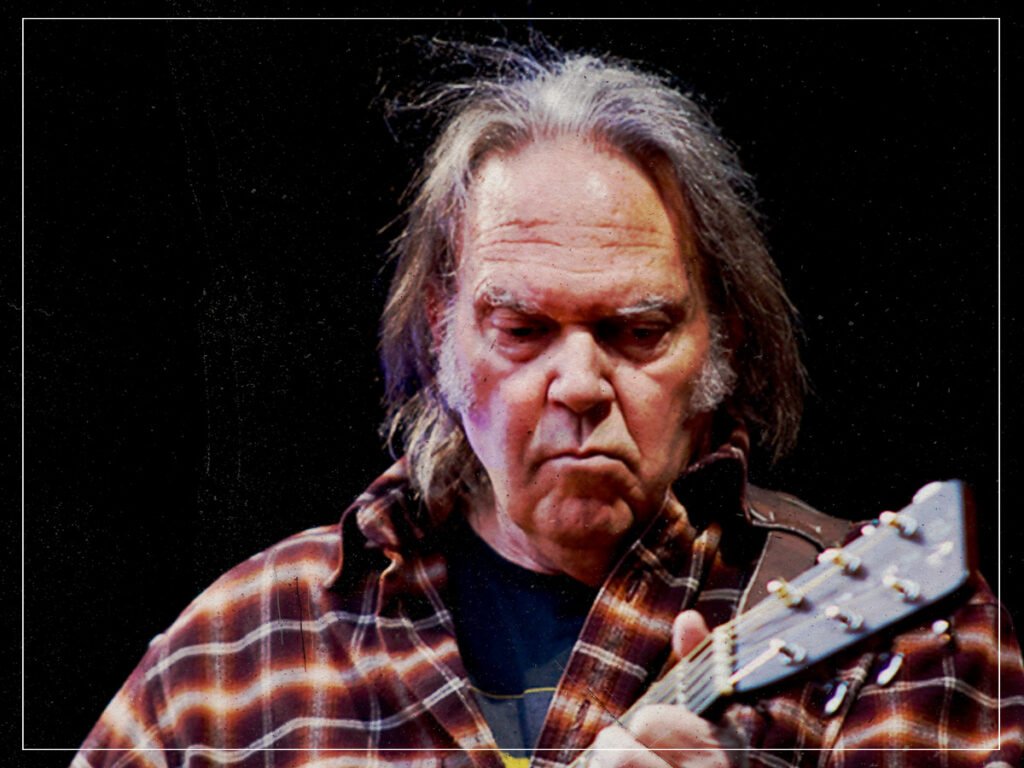
(Credits: Far Out / Per Ole Hagen)
Neil Young is no Luddite or purist when it comes to music’s emerging technologies in sound fidelity.
Infamously, Young had charged full steam ahead in good faith with his portable Pono player, keenly offering the music fan a chance to listen to their tunes in high-quality FLAC “as they first sound during studio recording sessions” over the inferior but industry-dominant MP3. Launched just as smartphones and streaming services were exploding in earnest, Young’s Pono project was doomed to failure.
He was also an avid DVD-Audio fan. Another medium, along with the Super Audio CD, bludgeoned from the market during Spotify’s rise, the expanded data capacity of the DVD disc brought with it a more authentic update of the old records we all know and love in that beautiful 24-bit stereo. Young’s audiophile hobbying, however, was never at the expense of the original work and the intended creative direction in the studio.
“I’m not interested in reinventing the horse,” Young pithily told Sound & Vision in 2001.
The fact is, Young’s eager abreast of the evolving improvements in audio was never about flashy sonic gloss or a plumped-up façade, but about honouring the spirit of the record’s character. That means no perfunctory 5.1 mixes if such recordings were never cut and mixed in a way that can make that possible.

Lambasting such anniversary products or highly promoted surround sound extravaganzas, dulling the magic of the old masters, Young’s instinctive example of an artist that should never be tampered with was presented as a case of keeping the 5.1 bells and whistles far, far away from.
“There will be record companies that’ll go in and remix, say, The Jimi Hendrix Experience,” Young pivoted to. “More power to them if they think they can do justice to the original work. If they think they can go in and modify it and present it in a different way just to make a product and sell it, fine. Just – not mine. I want to make sure that no one ever does that to my original stuff, because I wasn’t made that way.”
It’s a testament to the power of Hendrix’s early work and the efforts that went into capturing his raw yet dynamic, acid-fried R&B rock.
With Chas Chandler and Eddie Kramer handling respective production and engineering duties, novel recording practices on 1967’s Are You Experienced debut yielded a unique aural character among the rock and pop canon of the day, deploying Mitch Mitchell’s drumming heft across two stereo channels, with the remaining four track occupied by Noel Redding’s bass and Hendrix rhythm guitar, before mixing down to make room for vocals and other extras.
Such an approach captured the band’s live power and reduced the number of takes required, an arrangement that suited everybody, including their frontman. With all the explosive energy bottled so meticulously by the team, it’s no wonder Young has no interest in experiencing any future messing with the formula, when the magic was caught so perfectly in its original, pioneering form.
Related Topics
[ad_2]
Source link