[ad_1]
SANTA CRUZ — Art is a medium that has the potential to outlive its creators. Years to centuries after an artist has died, their works can still wow audiences living in a completely different world than the one they lived in.
However, for every “Mona Lisa” or “Girl with a Pearl Earring,” there are countless works of art that never see a wider audience, and when their creator goes, so do they. Artists with large bodies of work often bestow it upon their families, but due to the large amount of paperwork, these works sometimes end up gathering mold in storage or — in the worst-case scenario — in a landfill.
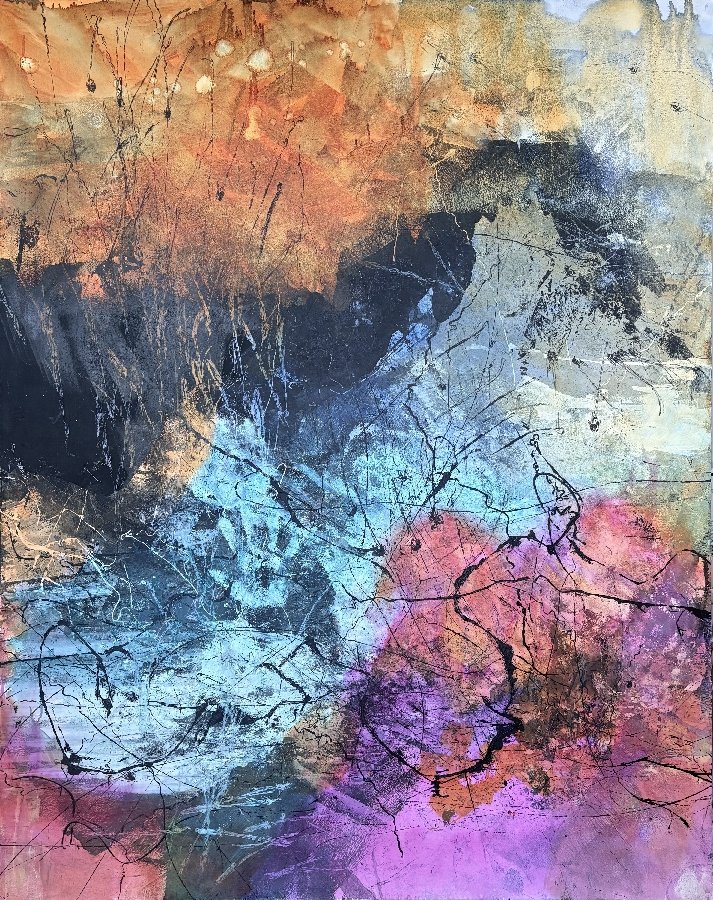
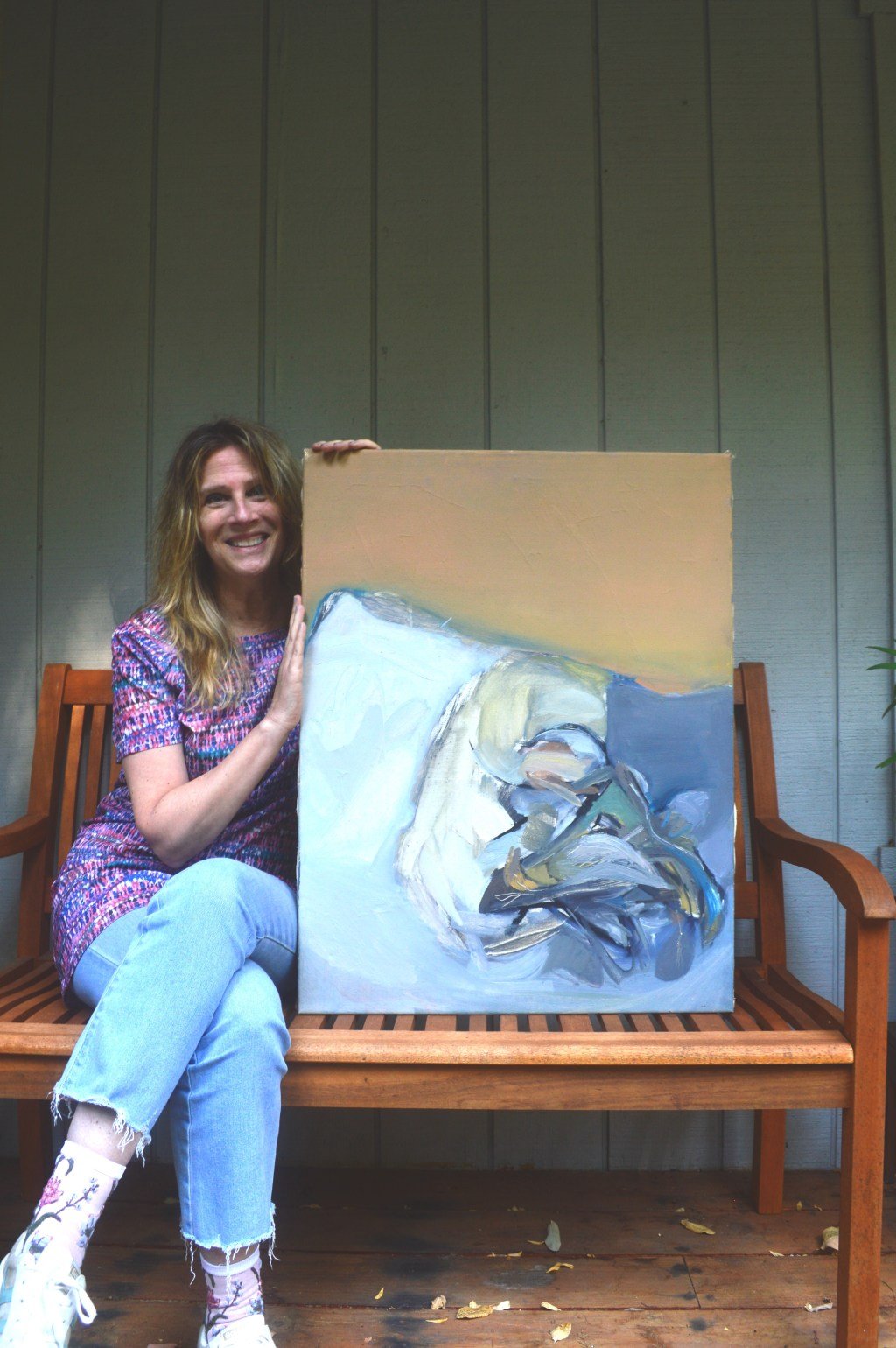
This is something that has been weighing on the mind of Boulder Creek resident Michelle Grapa. Her mother, Marie Peters, is an 85-year-old painter and abstract artist in the Boston area and appointed Grapa as “the executor for her art.”
“I realized I didn’t have any idea what that meant nor did I have any idea what I would do with her art if suddenly she wasn’t painting anymore or passed on,” she said.
Talking to friends who were also the offspring of artists, Grapa found they were in a similar boat: When an artist dies, what happens to their artwork?
“There’s not a lot of resources out there for planning or dealing with a large body of work from an artist,” she said.
Grapa founded Lignia.art to make the process of preserving family members’ artwork easier — from knowing who will be responsible for a deceased artist’s art and legacy, to where all of their art is located — and she will be hosting a pair of workshops this month. The first is an in-person workshop at Santa Cruz’s La Quinta Inn Sunday, and the second is a Zoom workshop Sept. 25 open to the public.
Currently, Grapa said the art will and testament process is very complex and procedural.
“There’s lots of information about legacy planning out there, but it tends to be very admin-heavy: Lots of forms to fill out, lots of archiving requirements,” she said. “Generally speaking, artists are not big fans of admin work.”
Instead, Grapa said Lignia.art’s approach is a more creative way for descendants of artists to get their stories together, help outline what they want for the future of their elders’ art and decide who will help manage the process.
In addition to preserving artists’ stories, Grapa wants to get those stories out to those who view their art, whatever setting it ends up in.
“I’d like to see a day where it would be easy to find a painting, look up the signature and really understand who painted the work and what they stood for, and really get the story of that artist and that work,” she said.

Lignia.art has a three-part approach to making the art preservation process easier: identifying a steward for an artist’s work — whether it is a relative, friend or hired hand; making an artist’s legacy easier for their stewards to understand by providing a look into their careers and where they have exhibited; and tracking their work to ensure it is archived in a way that an executor can manage it.
All three of these goals will be the basis for activities in the workshops, aimed at working with semi-retired artists looking at that next step. For example, Grapa said the workshop will include sketching “a studio treasure map” outlining where an artist’s various art pieces might be located.
It is something Grapa has recent experience with, having visited her mother’s home in Massachusetts and finding art in different places.
“She has a whole cabinet in the basement of the house that I had no idea was there, full of print supplies for her prints and printing equipment,” she said. “She has stuff in the upstairs second bedroom closet that I didn’t realize was there.”
In other cases, Grapa said art can be in locations ranging from studios to storage units. The workshop will go over understanding where different artwork is located so their stewards can easily manage it.
Other activities will include creating wish lists of what artists want to see from their art in the future, writing a three-sentence legacy note or mini artist statement to help others understand their work and learning to curate five works that best tell their story as an artist.
“It’s really a workshop around storytelling and marking what matters,” said Grapa.
In an era where AI art is dominating people’s online image searches, Grapa said the workshop will highlight the importance of art created from human hands.
“Artists translate the world around us into this visual form that we connect with emotionally,” she said. “They create political messages that are timeless, so having that resonates through the future. No machine can do that really. That’s the job of an artist.”
The in-person workshop is 2-4:30 p.m. Sunday at La Quinta Inn & Suites, 550 Second St., Santa Cruz. Register at EventBrite.com for a $20 fee that helps cover the cost of materials and the room itself. The virtual workshop is 5 p.m. Sept. 25 via Zoom. Registration is free, and a link will be sent after signing up. Links to both events can be easily found at EventBrite.com/o/lignia-114547652751.
[ad_2]
Source link